예수-이름뒤에 숨겨진 교묘한 우상 숭배

결론부터 말하자면 "예수"는 하나님이 세상을 구출하라고 보내신 '메시아'의 이름이 아니다. 메시아(히브리어:기름부음받은자)의 이름은 신약성경에 나온다. 세상의 "구출자"이름이 우리가 보는 성경에 (Jesus:지저스/한글:예수)로 "기재"돼어 있다고 해서 그분의 이름이 "지저스"라고 믿어선 안된다. 성경엔 미래에 나타날 "메시아"의 이름이 필사과정을 거치면서 "변조"될것을 대비해서 이미 구약성경에 "메시아"의 이름의 '힌트'를 넣어두셨다!
다시 말하자면 "메시아"의 이름의 원래 "발음"이 무엇인지 구약성경에 넣어 두셨단 소리다. 결론부터 말하자면 "야후슈아/Yahushua"이다! 이발음은 히브리식이다. 이이름이 스가랴서 6:9~12절 사이에 나온다. (※슥 6:11절에 "Jesus"용어가 나오는 브랜튼역은 일부러 그렇게 '만든것'으로 판단된다.)
그성구엔 고토로 돌아온 스룹바벨과 야후사닥의 아들 대제사장 "야후슈아/Yahushua"가 "언급"되어있다. "야후슈아/Yahushua"는 은과 금의 합금으로 만든 "왕관"을 쓰게 됐는데, 왜냐하면 이분안에서 "왕"직과 "제사장"직이 "합체"가 될것이기 때문이었다.
게다가 "야후슈아/Yahushua"가 하나님의 "성전"을 "건립"하실것이라고 예언 돼어있다. 성전은 문자적인 "건축물"이 아니다.
그것은 메시아의 제자들을 의미한다! 뿐만아니다. 모세의 후계자 이름 역시 "야후슈아/Yahushua"였다. (출애굽기)와 (여호수아)서를 읽어보면 모세의 후계자 이름이 "Jehoshua" 혹은 "Jeshua"로 표기된 성경이 대부분인데 이것은 마소렛 학자들의 "속임수" 덕택이다. 마소렛학자들은 하나님의 이름의 "본래발음"을 숨기려고 하나님의 이름을 "추정"해낼 수 있는 고대 이스라엘인들의 이름을 모조리 "치환"했다. (*이 문제는 "하나님의 이름"기사를 참조하기 바란다.)
이때에 (Yahushua)가 "Jehoshua/여호수아"로 바뀐것이다! 따라서 모세는 자신의 후계자를 "야후슈아/Yahushua"라고 불렀을것이다. "Yahushua/야후슈아"는 이스라엘 백성을 약속의 땅으로 인도해 정착시킨 사람으로서 미래에 나타나실 메시아를 "전영"한 인물이다. 따라서 모세의 후계자와 고토(Yahrushalayim:야흐루살라임)
로 돌아온 대제사장 "야후슈아/Yahushua"는 그들의 역할과 이름이 기원1세기에 등장하실 메시아를 "전영"했었음을 알 수 있다. (※"예루살렘"의 원래발음도 "야흐루살라임"이었다!)
따라서 아무리 메시아의 이름이 제임스왕역에 "이에소우스/Iesous"로 "변경/치환"됐드래도 우린 메시아의 "본명"이 무엇인지 알 수 있다. 그것은 "Yahushua/야후슈아" 혹은 "Yahshua/야ㅎ슈아"였다!
ㅡㅡㅡㅡㅡㅡㅡㅡㅡㅡㅡㅡㅡㅡㅡㅡㅡㅡㅡㅡㅡ
콘스탄틴 황제는 기원313년경에 "밀라노칙령"을 발표한다. 그는 자신의 왕권을 강화시키려고 널리퍼진 "그리스도교/christianity"와 "이교/paganism"를 합치기에 이른다. 이것의 결과가 《Catholic Church》다! "카톨릭"이란 말의 뜻은 "만인의"란 뜻이다. 콘스탄틴황제는 자신의 임종직전에 "물침례"를 받았다. 로마인들이 지키던 두가지 축제가 있었다. 하나는 12월17일부터 "1주일"간 기념하던 "농경신축제"가 있었다. 이것은 사실상 "토성"saturn"신"경배에 다름 아니었다! 토성신은 "사탄"을 대표한다!
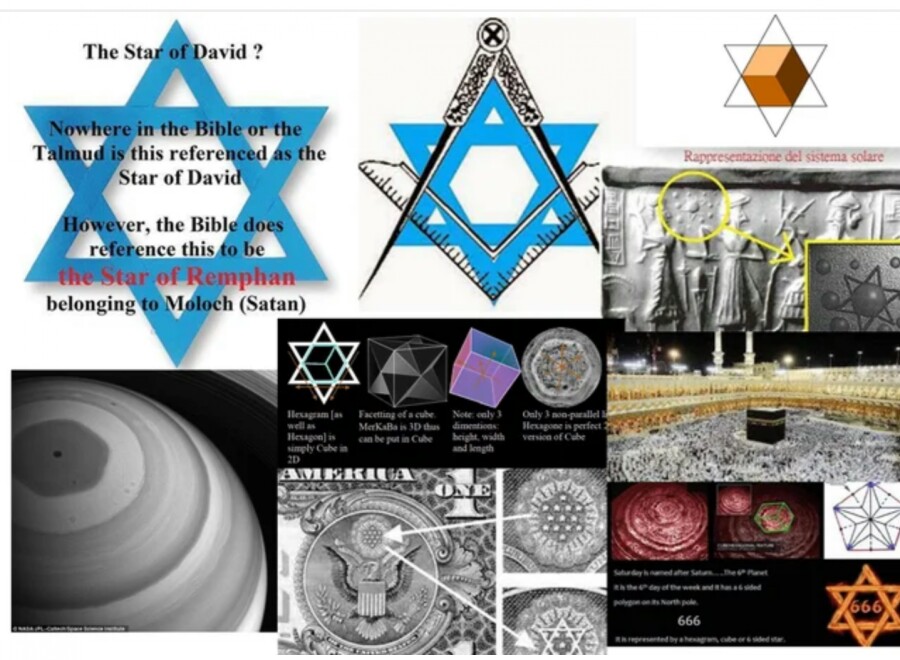
토성숭배의 다양한 증거
또하나는 12월25일부터 1월1일까지 축하했던 미트라(Mithra)신 곧 (페르시아의 "빛 의 신"미트라)축제가 있었는데, 사실상 "미트라"신의 "탄신일"이 12월25일이다. 바로 이것이 오늘날 12월25일 "크리스마쓰" 축제로 "둔갑"한 것이다.
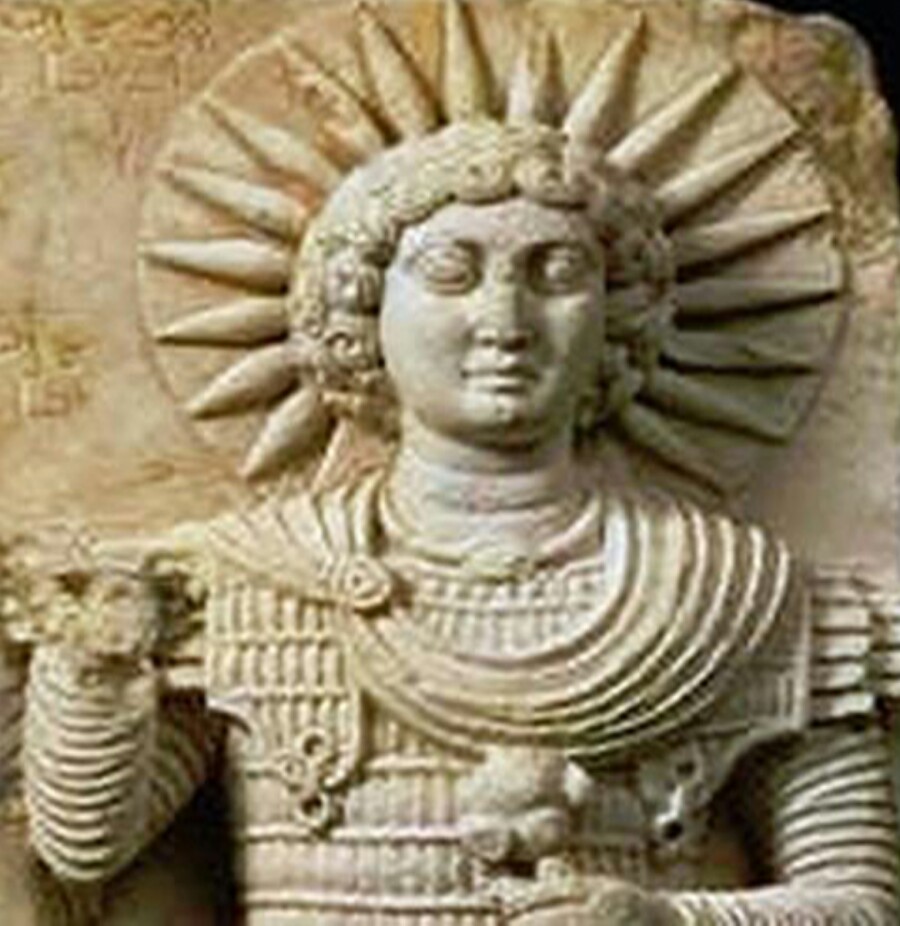
mitra god/ ‘Unconquered Sun’ (Sol Invictus).
The interactions of Roman soldiers, traders and public with Persians carried the Persians’ ways of worship and gods to Greeks and Romans. Mithraism spread to every part of Roman empire through these social and military interactions with Persians. In the Greco-Roman world Mitra or Mithra was called “the divine Sun, the ‘Unconquered Sun’ (Sol Invictus). He was said to be “Mighty in strength, mighty ruler, greatest King of gods! O Sun, lord of heaven and earth, God of Gods!” Initially Sol-Invictus was a separate Sun God of Romans who later got merged into Mithras and the latter came to represent both.
기원325년 니케아 종교회의를 통해 로마제국전역의 종교적 믿음을 "통일"시킬 필요가 있었다. 이것이 이른바 최초의 (그리스도교/교회 일치/운동)이었다. "니케아신조"가 이때 발표됐다!
이때 여러 성경필사가들을 활용해 성경원본의 사본을 만들때 신약성경의 메시아의 이름이 나오는 부분에 "Yahushua" 대신에 "Esus Christos"라는 켈트족 태양신 이름과 타이틀을 "삽입"했을까? 어차피 "그리스도교"의 확산을 막을 수 없었다면 "성경필사가"들을 활용해서 이교신의 "태양신" 이름을 성경속에 "삽입"한다면 나름대로 "사탄"한테는 의미있는 결과였을 것이다!(이것은/자의적/추정이다!)
이것《속임수》의 결과가 오늘날 성경속의 "Jesus Christ"일 것이다!
*일부사람들이 《Jesus Christ》이름의 "정확성"을 옹호하는데, 그것은 기원4세기에 어떤 "과정"이 있었는지에 관한 철저한 조사를 하지 않은것에 기인된것으로 판단된다.
필자는 "Jehovah/여호와"가 "하나님의 이름이 아닌 이유"기사를 작성했다! 이번기사도 "같은맥락"이라고 보면 된다. 그래서일까?
※바티칸에서 만들었다는 <NWO공식웹싸이트>가 <Jesus Christ/예수그리스도>가 예루살렘으로 "재림"하실거라고 "선전"하고 있다! 사탄이 만든 "음녀"가 [《Jesus Christ》가 솔로몬의 "제3성전"의 보좌에 앉을 것이다]라고 주장한다? 뭔가 이상하지 않은가? 암튼 필자가 보기에는 "Jesus Christ"의 "이름"은 "가짜"다. 그리스도는 희랍어로 "기름부음받은자"란 뜻이 존재하기 때문에 명백하게 "그리스도"를 사용하는것이 "잘못된거"라고 말하기가 어렵다. 그러나 "그리스도"용어가 수백년전부터 다른의미로 사용됐던 증거가 존재한다. 따라서 필자의 나중 글엔 "메시아"칭호가 "그리스도"칭호보다 더 자주 나타난다.
ㅡㅡㅡㅡㅡㅡㅡㅡㅡㅡㅡㅡㅡㅡㅡㅡㅡㅡㅡㅡㅡㅡㅡㅡㅡㅡㅡㅡㅡㅡㅡㅡㅡㅡㅡㅡㅡㅡㅡㅡㅡㅡ
*관련사실을 독자가 "추정"해 볼 수 있도록 역사적 자료를 "취합"해서 첨부했다. 독자가 믿든 안믿든 상관없다.
※어차피 필자기사는 독자의 "동의"를 구하는게 아니라 "독자의고려"를 위해 제시하는 "수준"이기 때문이다!
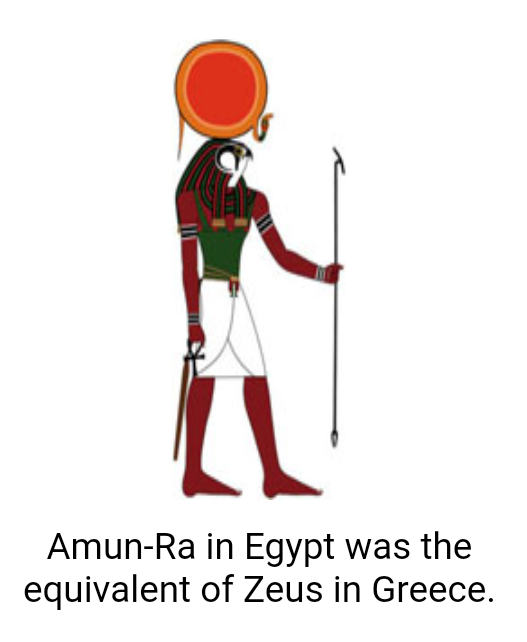
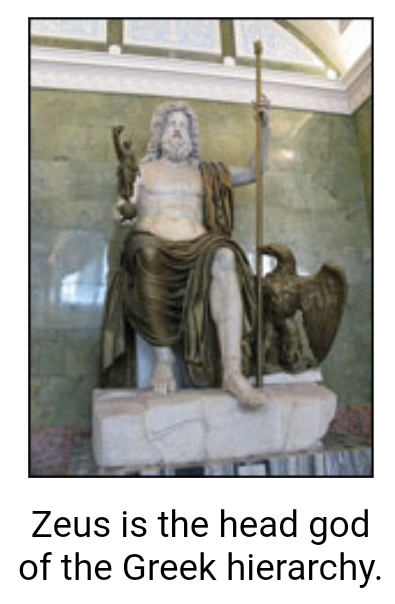
<YAHUSHUA>가 《JESUS》로 변하기까지 몇개의 과정을 거쳤을까? (JESUS)의 이름이 메시아의 이름이라고 주장하는 학자들의 주장을 "요약"해보면 대충 아래와 같다.
1)YAHUSHUA(히브리어)➡2)Iesous("이에소우스"/희랍어)➡3)IESU(초기라틴어)➡4)JESU (후기라틴어)➡6)JESUS (영어)
*<한글>입장에서 볼때는 "메시아"의 이름의 올바른 발음까지 소급하려면 ➡영어➡라틴어➡희랍어➡히브리어/ 이렇게 "4단계"를 거쳐야한다.
※그러나 위의 이름의 "변경표"엔 여러가지 문제가 숨어 있다.
1)첫째문제; 히브리어 (야후슈아)가 희랍어 (이에수스)로 변한것은 "음역"이 아니라 번역이다! 고유명사는 "음역"해야 한다.
2)둘째문제; 2번과 3번간의 <연결고리>가 없다.
3)셋째문제; <헤수스/Esus>The Druid족의 태양신 이름과 거의 같다!
"Hesus. Also called Esus. In Celtic religion, he was the supreme god." ㅡDictionary of Pagan Religions
"The first Druids were the true children of the Magi, and their initiation came from Egypt and Chaldea; that is to say, from the pure sources of the primitive Kabalah. They adored the Trinity under the names Isis or Hesus, the Supreme Harmony; of Belen or Bel, which in Assyrian means Lord."ㅡ Morals & Dogma p. 103
Constantine borrowed the cross symbol from his fellow Druids in Britannia:
The cross, as a symbol, was known to and revered by the Druids, and their mode of consecrating an oak tree was first to fasten a cross beam upon it if the two horizontal arms were not sufficiently prominent. Upon this right branch they cut in the bark, in fair characters, the word "Hesius", upon the middle or upright stem the word "Taramis," and upon the left branch the word "Belenus." (Wright, Druidism: the Ancient Faith of Britain, p. 181)
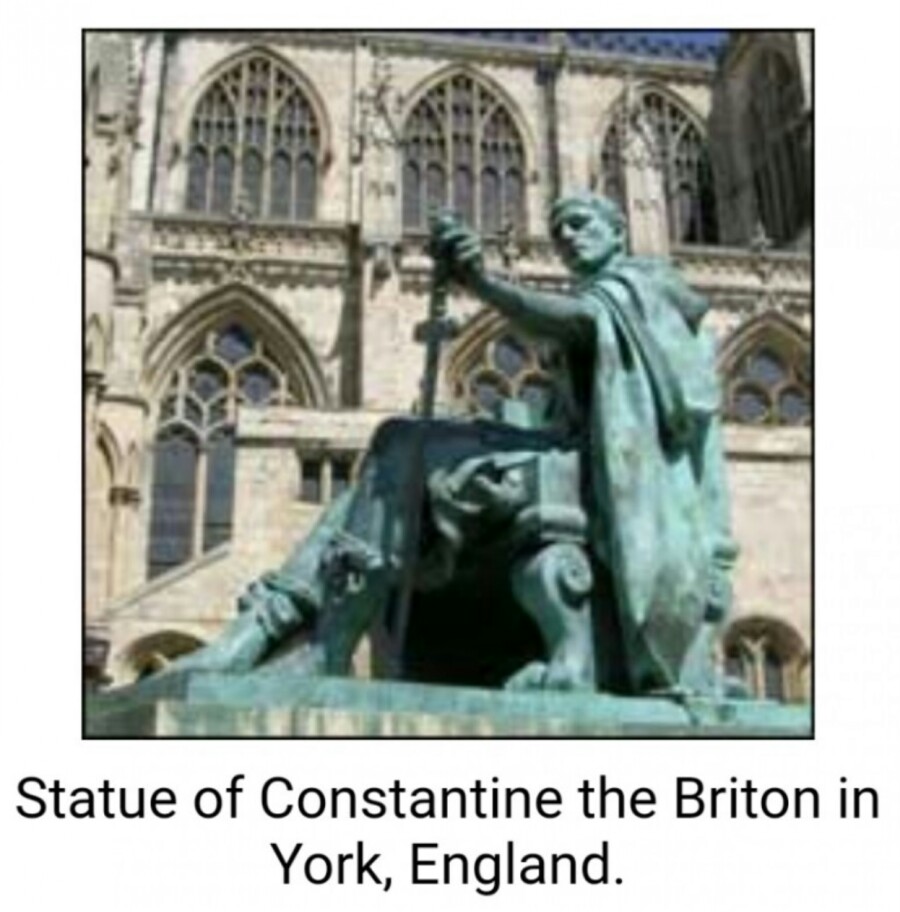
Why there is statue of constantine in York?
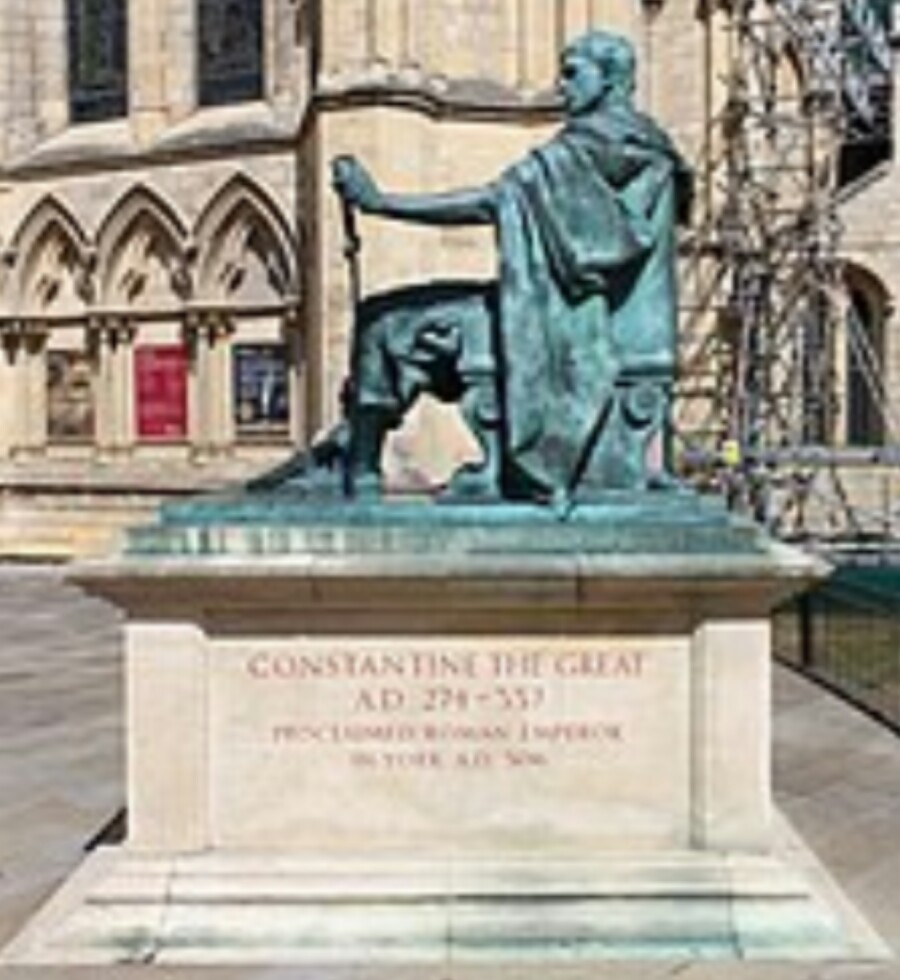
The statue depicts a seated Constantine wearing military dress. His left arm is outstretched behind him and his right holds the pommel of a sword, the tip of which is shown to be broken. A legend inscribed on the base reads "Constantine by this sign conquer". This phrase is a translation of the latin in hoc signo vinces; a reference to a passage from the historian Eusebius of Caesaria who recounts alleged that Constantine was marching with his army and looked up to the sun and saw a cross of light above it, and with it the Greek words "(ἐν) τούτῳ νίκα" ("In this, conquer").
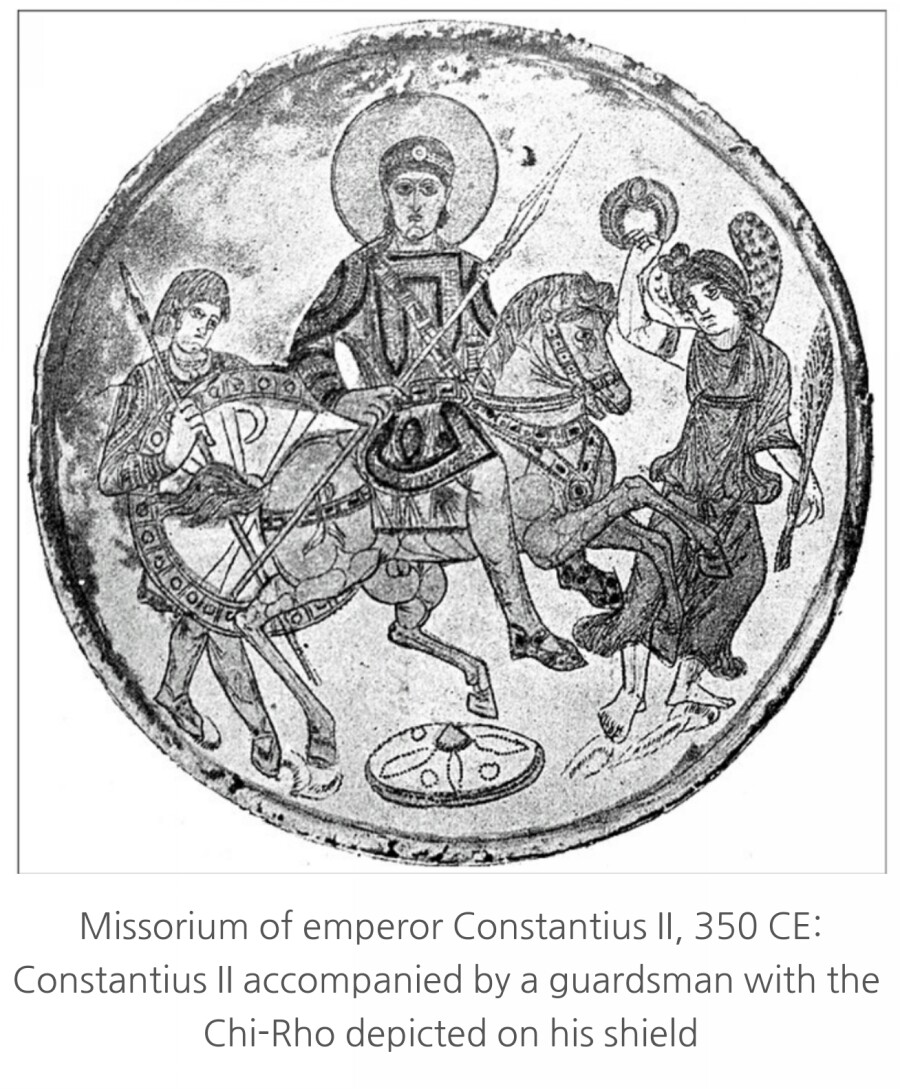
공교롭게도 로마에 카톨릭종교그룹을 세운 콘스탄틴 황제는 영국/북쪽인 셀틱/지방 곧 현재의 "York"지역의 특성과 "종교"를 잘 알고 있었다. 실제로 그는 기원306년에 있었던, "York"지방전투에 참여했다! 그가 보았다는 (꿈) 혹은 (환상)은 셀틱지역에 있던 아폴로 신전에서 이뤄졌단 "설"이 존재한다. 그꿈에서 그는< "XP">가 겹쳐진 빛의 형태를 보았단 설이 있다. 실제로 콘스탄틴황제는 로마 병사들의 "방패"에 <XP글자>를 새겨 넣었던것으로 보인다.
※아래기사는 <브리태니카백과사전>의 《ESUS/god》에 관한 설명이다.
《*Esus, (Celtic: “Lord,” or “Master”), powerful Celtic deity,
one of three mentioned by the Roman poet Lucan in the 1st century AD; the other two were Taranis (“Thunderer”) and Teutates (“God of the People”).
Esus’ victims, according to later commentators, were sacrificed by being ritually stabbed and hung from trees.
A relief from the Cathedral of Notre-Dame in Paris portrays him as a bent woodman cutting a branch from a willow tree. This and a related relief from Trier, Ger., associate him with the sacred bull and his accompanying cranes or egrets.》
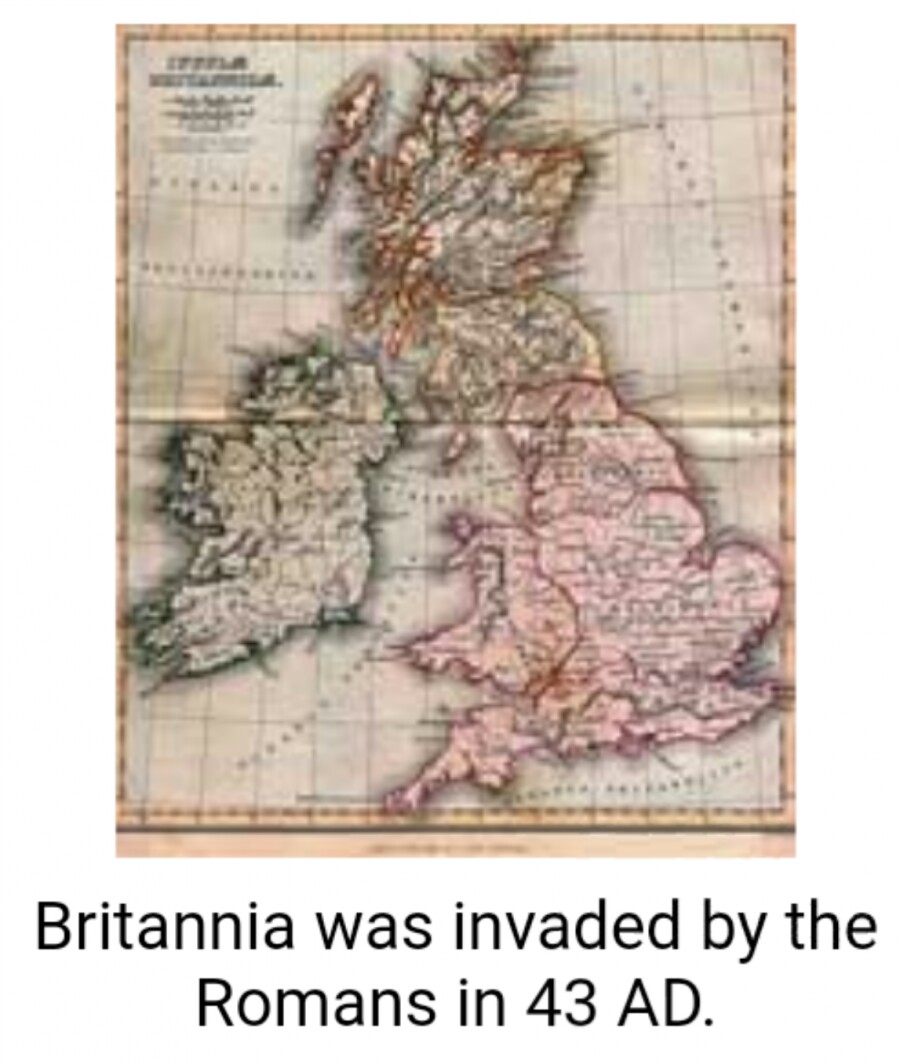
Before the coming of the Romans, Britannia was a House of Horrors run by fanatical blood-thirsty priests called Druids.
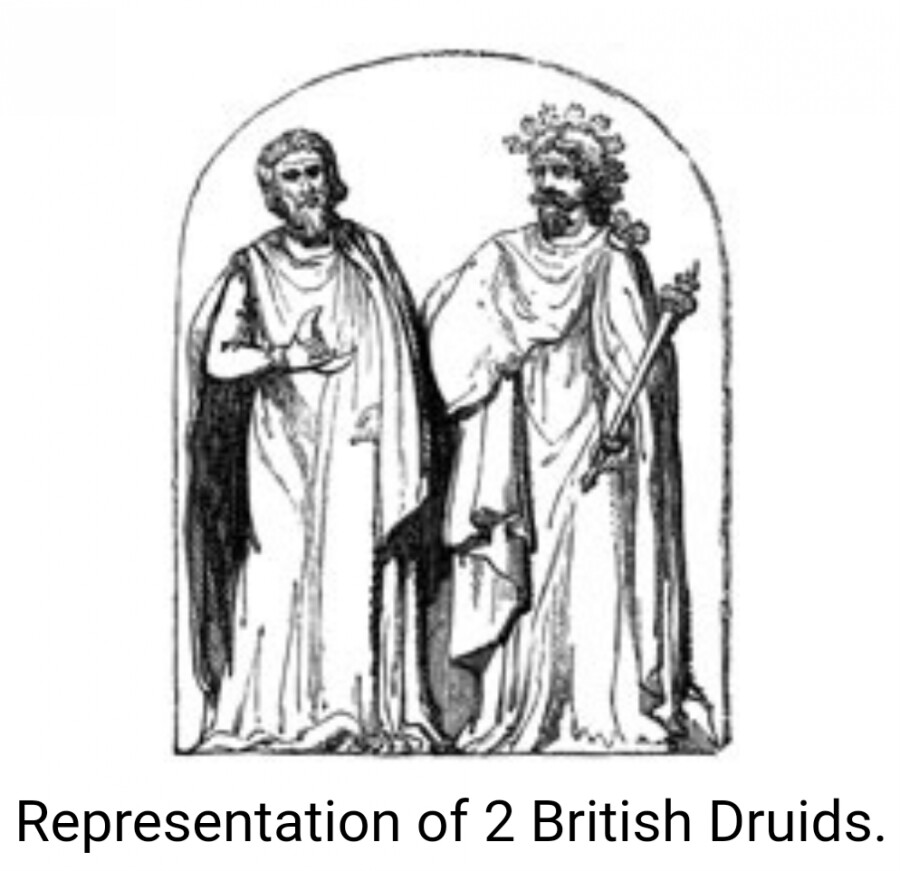
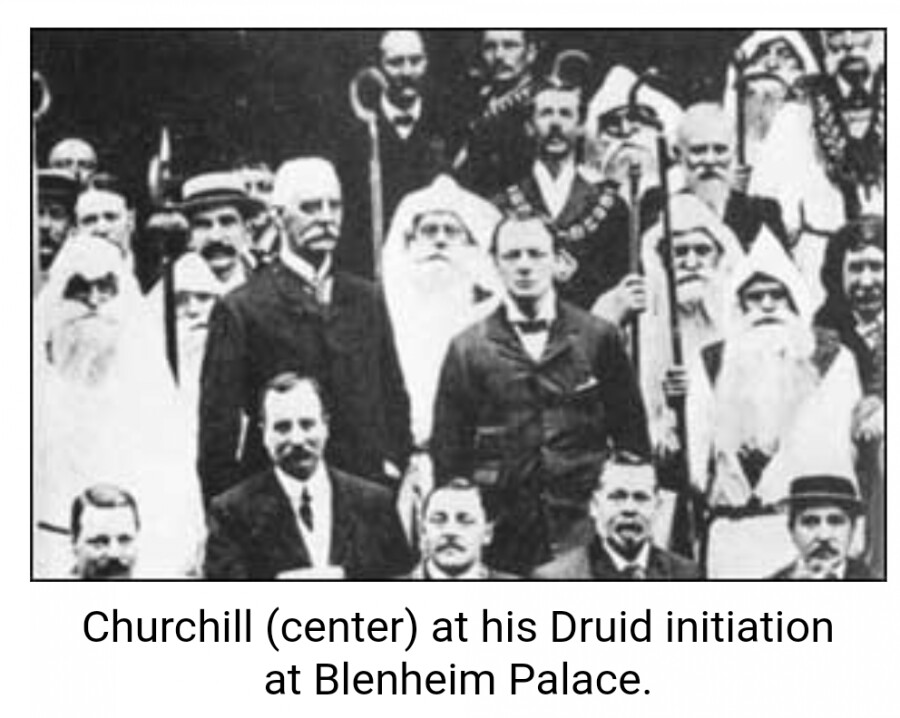
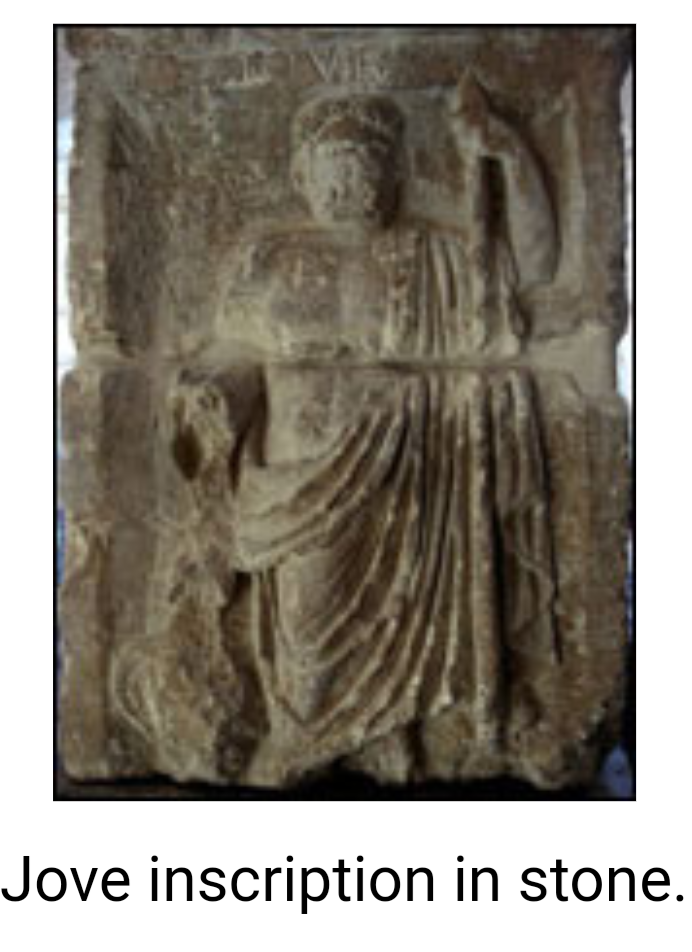
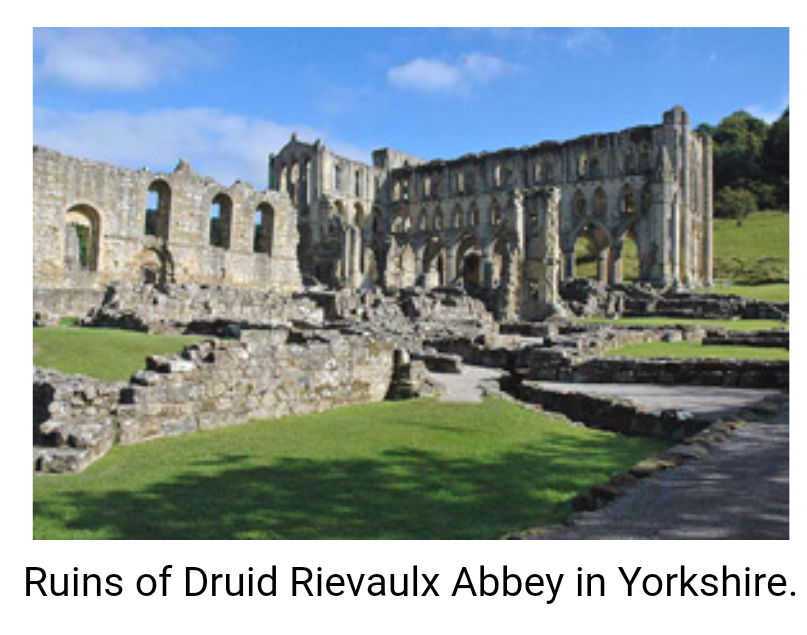
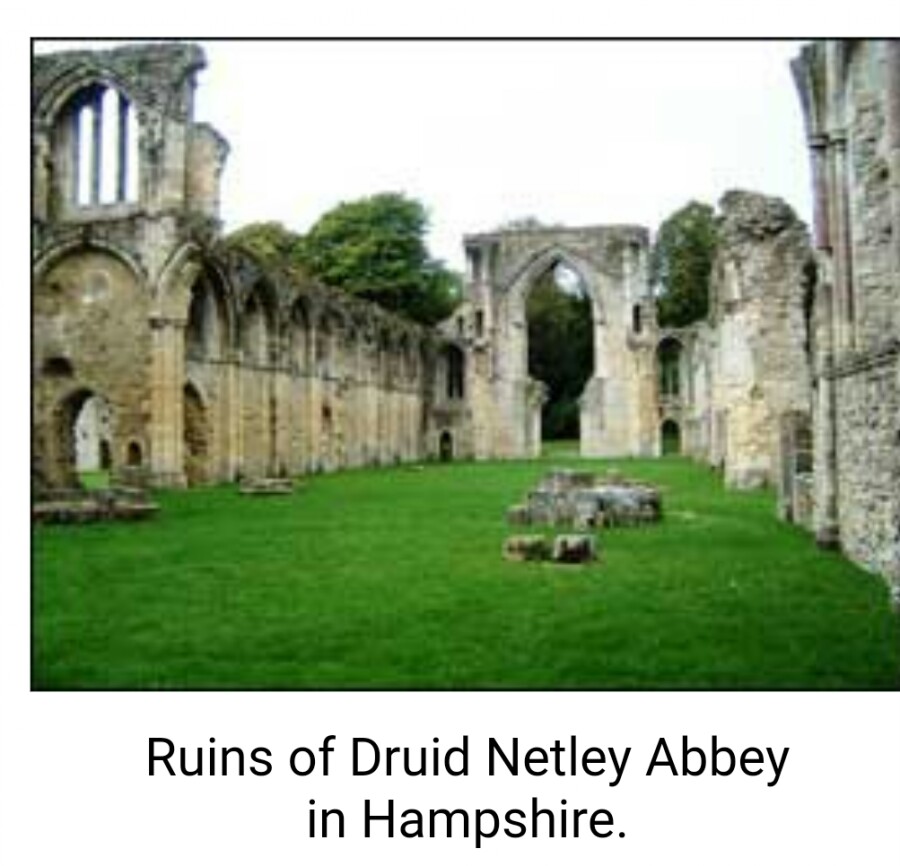
The Druids offered human sacrifices to appease Esus
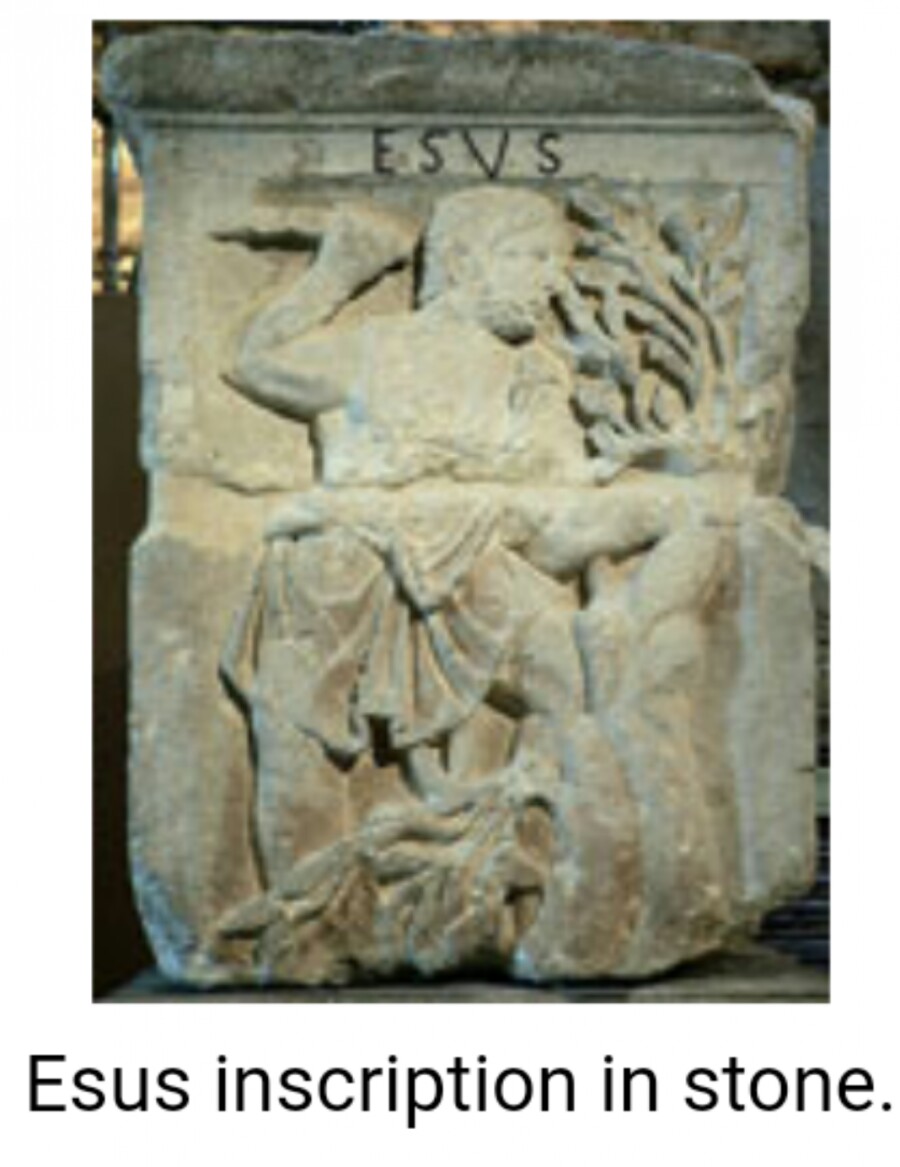
The block from Paris was found with 5 others in 1711 on the site of Notre Dame Cathedral. The Esus stone itself is inscribed with his name, and beneath this is a muscular god chopping down a branch of a willow tree.
Hesus or Esus, along with Teutates and Taranis, was one of the unholy trinity of Druidism.
Julius Caesar's biographer mentions Esus in his epic poem about the Roman civil wars:
And those who pacify with blood accursed
Savage Teutates, Hesus' horrid shrines,
And Taranis' altars cruel as were those
Loved by Diana, goddess of the north;
All these now rest in peace. And you, ye Bards, Whose martial lays send down to distant times The fame of valorous deeds in battle done, Pour forth in safety more abundant song. While you, ye Druids, when the war was done, To mysteries strange and hateful rites returned:
To you alone 'tis given the gods and stars
To know or not to know; secluded groves
Your dwelling-place, and forests far remote.
ㅡLucan, Pharsalia, Book 1, 480
Jerome received a lot of help from the Men of Oak when he produced the Latin Vulgate.
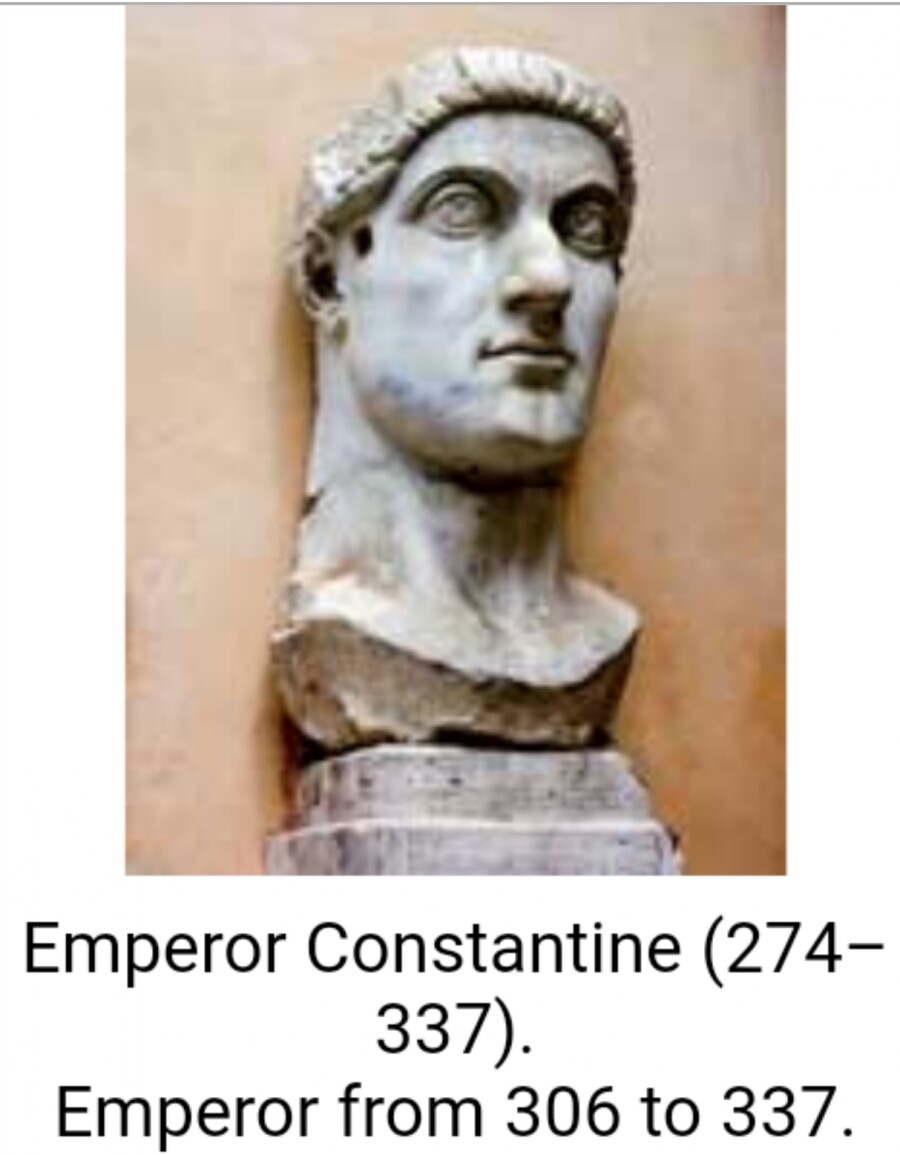
This is not surprising because Emperor Constantine was born in Britain of a Druid mother named Helena.
Saviour/드류이드인들의 <태양신/이름>과 거의 똑같다. 이것을 로마인들은<미트라>이름으로 숭상한다. "미트라"는 로마의 태양신/이름이다.(이기사의/맨마지막/영문기사/참조)
《Constantine was a deceiver and Eusebius aided him in this deception. Christ is not the name of the savior. Christ is supposed to be the Greek word for "annoint or annointed" It is supposed to be equivalent to the Hebrew word "Messiah".... Constantine knew of the Druidic Savior named Esus (Hesus), because he had served with his father in Britain.
This savior's name was written as Esus on the west European mainland, but written as Yesu in the British Isles.
Both were pronounced as "Hesus" He skillfully blended Esus and Yesu into the Latin Yesus.
It was no great feat to claim that the Greeek Iesous was to be pronounced the same and refer to the same savior....The Spanish speaking people preserve the pronunciation Hesus for Jesus in today's world. The worlds false savior is celebrated with eating literal swines flesh. The Christmas ham, Ham swine is also a favorite for Easter. The true savior Yahshua is celebrated as the Passover Lamb. Therefore, Jesus is the unclean, false savior, while Yahshua is the true clean Savior."ㅡㅡfrom Jerry Healan》
4)넷째문제; 그리스 신화에 등장하는 <만병통치약>을 가졌다는 (Panacea)여신의 자매인 치료의 여신 (Iaso/Ieso/여신)과 (Ιησούς/이에소우스/Jesus)의 이름이 "흡사"하다. <"이에소우스"는 희랍어로 메시아의 이름을 "표기"한것이라고 주장함> "이에수"에겐 5명의 자매들이 있었고 그중의 하나가 <Hygieia>이다.
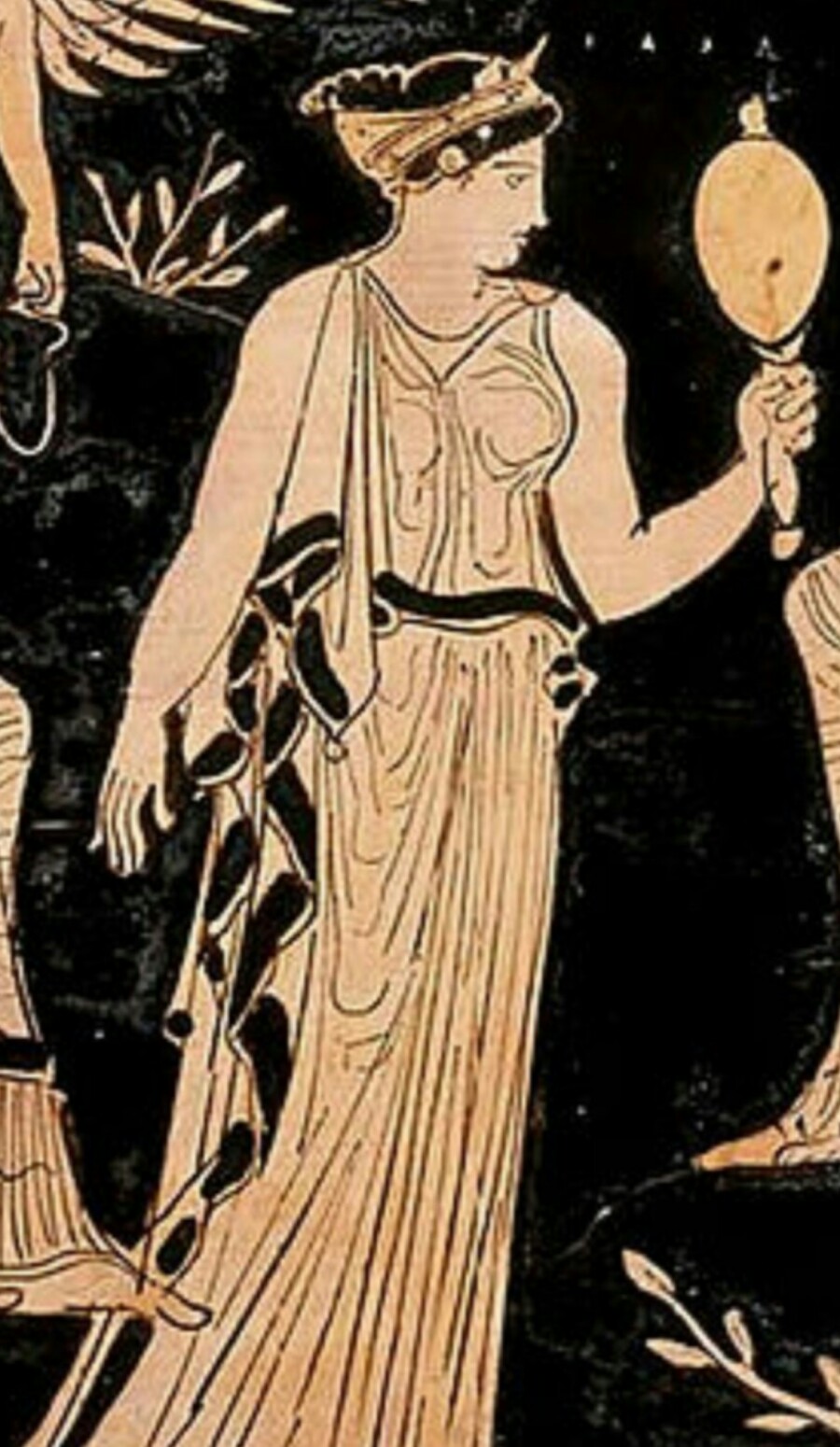
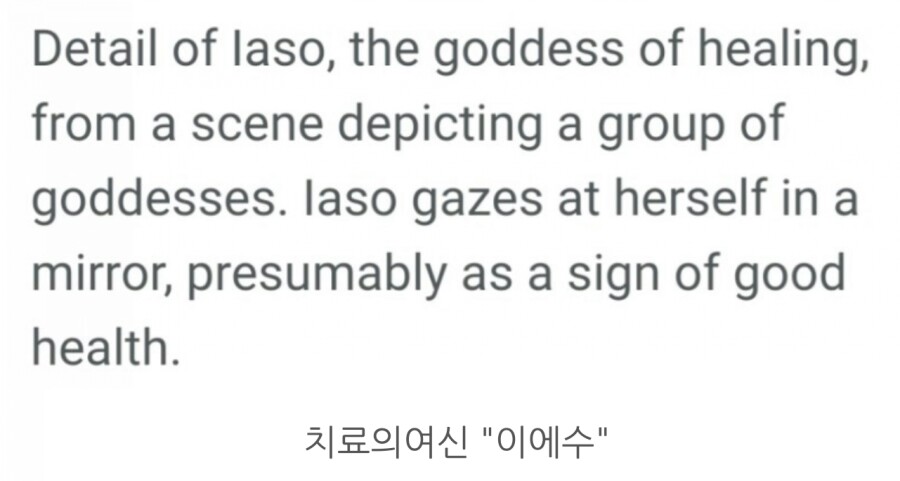
It is also interesting that “Ieso”, or Iesu, was also associated with healing.

의학계에선 뱀/심볼이 광범위하게 사용된다.
*Iaso or Ieso (ancient Greek Ἰασώ; Ionic Greek Ἰησώ) was the Greek goddess of recuperation from illness.
<※"아이오닉"희랍어는 고대 희랍어를 말함>
The daughter of Asclepius, she had five sisters: Aceso, Aglæa/Ægle, Hygieia, Meditrina, and Panacea.
※《Panacea》에서 영어의<만병통치약>이란 단어가 파생함
All six were associated with some aspect of health or healing.
[note: the ending ‘omega’ is transliterated as both “o”, and “u” –see “Spell it in the Greek”. Also, Ieso is associated with Iesu, the son of Zeus.]
ㅡㅡㅡㅡㅡㅡㅡㅡㅡㅡㅡㅡㅡㅡㅡㅡㅡㅡㅡㅡㅡ
Wikipedia:Asclepius: Asclepius (Greek Ἀσκληπιός, transliterated Asklēpiós; Latin Aesculapius) is the demigod of medicine and healing in ancient Greek mythology. Asclepius represents the healing aspect of the medical arts, while his daughters Hygieia, Meditrina, Iaso, Aceso, Aglæa/Ægle and Panacea (literally, "all-healing") symbolize the forces of cleanliness, medicine and healing, respectively.

Rod of Asclepius emblem
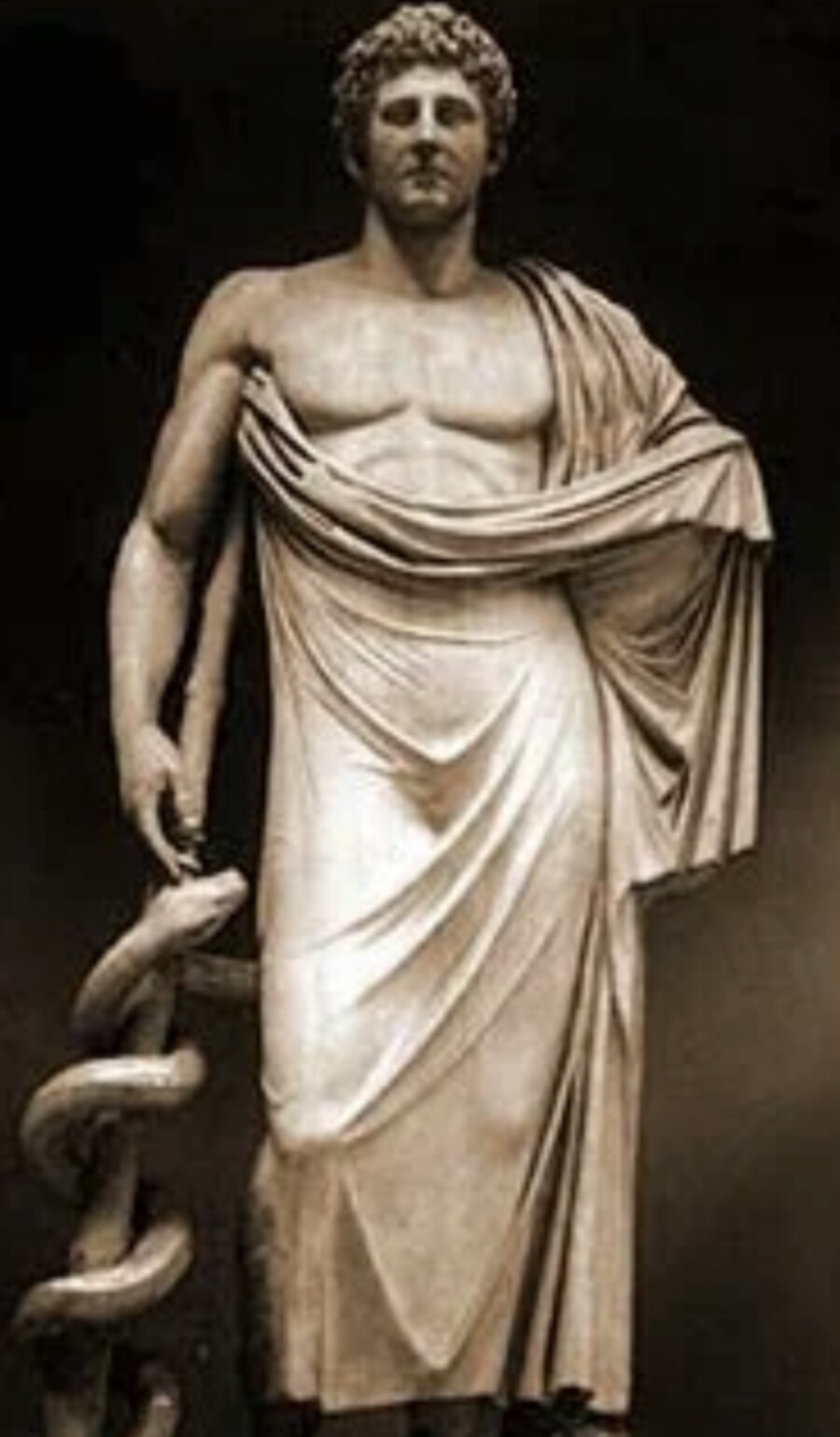
※<Asclepius>는 그리스 신화에서 치료의 여신 <IESO>의 아버지다.
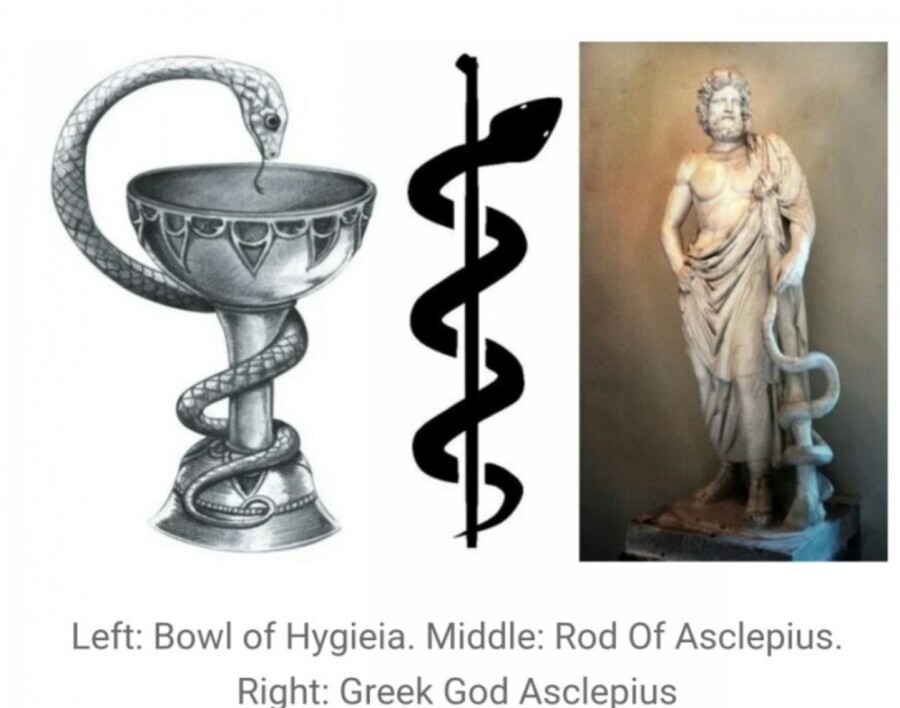
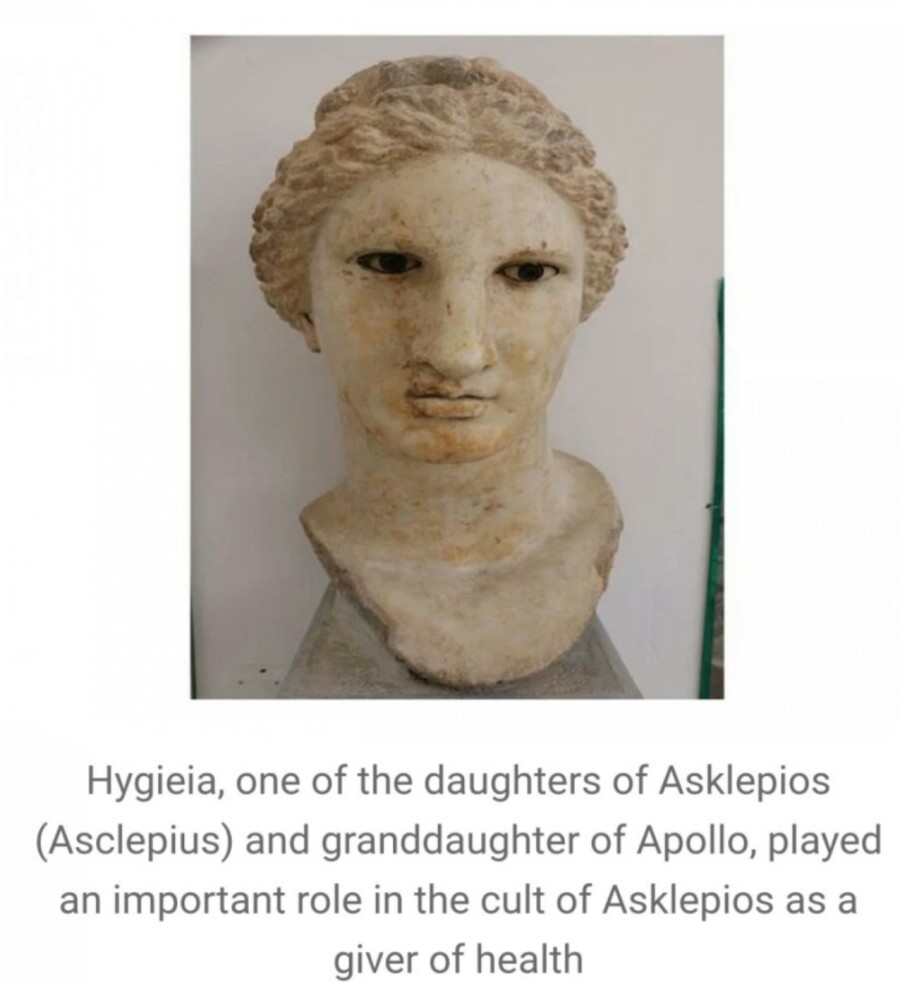
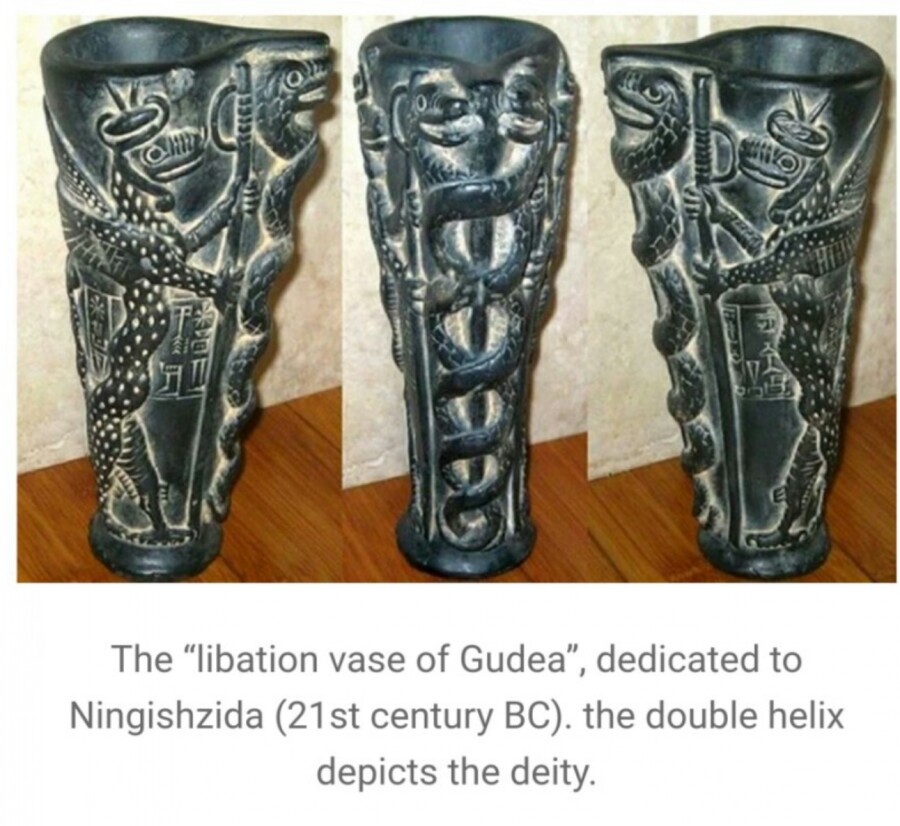
ㅡㅡㅡㅡㅡㅡㅡㅡㅡㅡㅡㅡㅡㅡㅡㅡㅡㅡㅡㅡㅡㅡㅡㅡㅡㅡㅡㅡㅡㅡㅡㅡㅡㅡㅡㅡㅡㅡㅡㅡㅡㅡ
※희랍어70인역에 나오는 <메시아>의 이름 "</Ιησούς/이에소우스>의 <글자와 발음>은 우연하게도 희랍신화에 등장하는 치료의 여신 이름과 매우"비슷"하다.
※질문; 귀하가 희랍어와 히브리어를 둘다 "구사"하는 <번역가>라면, 그리고 귀하가 하나님을 두려워하는 신실한 메시아의 "추종자"라면, 혹은 메시아의 도착(기원전250년~BC100년경에 구약성경에 스가랴6:9~12절에 나오는 ("야후슈아"를 번역할때 살던 )을 간절히 기다리는 자라면, 메시아의 이름을 (음역/transliteration)할때 ◇<희랍신화>◇에 등장하는 치료의 여신의 이름과 철자가 비슷하게 《음역》할 가능성이 "존재"하는가? 아마도 "일부로"라도 피할것이다!
그렇지 않은가? 따라서 논리적 "결론"은 누군가가 의도적으로 <Yahushua/יהושע
>를 < /Ιησούς/이에소우스>로 "번역/translation"한것으로 생각된다. 히브리식 메시아의 이름을 희랍어로 옮길때 "번역"해선 안된다. "고유명사"이기 때문에 "음역"해야 한다. 설령같은 발음을내는 문자가 없더라도 최대한 흡사한 발음을 내도록 난외주에 "정확한 발음"의 사례를 들어서라도 "설명"했었어야 한다. 그러나 그렇게 하지 않았다!
(사실 우린 70인역의 최초 번역판 원본이 없기 때문에 어떻게 초기번역가들이 "번역" 혹은 "음역"했는지 알길이 없게됐다.)
※영국 북쪽에 살던 "드루이드"족의 최고신 "Esus"와 철자가 비슷하도록 고의적으로 "만든"것일까?
이같은 생각이 지나친것이 아닌 이유가 따로 있다!
영어로 "메시아"를 (Christ/기름부음받은자)라고 표시하고 희랍어 소대문자로( Greek word "Χριστός" )라고 표시한다.
대문자로는 ( ΙΗΣΟΥΣ )로 표시한다.
*IHS는 "예수회"의 가장 중요한 심볼이다!
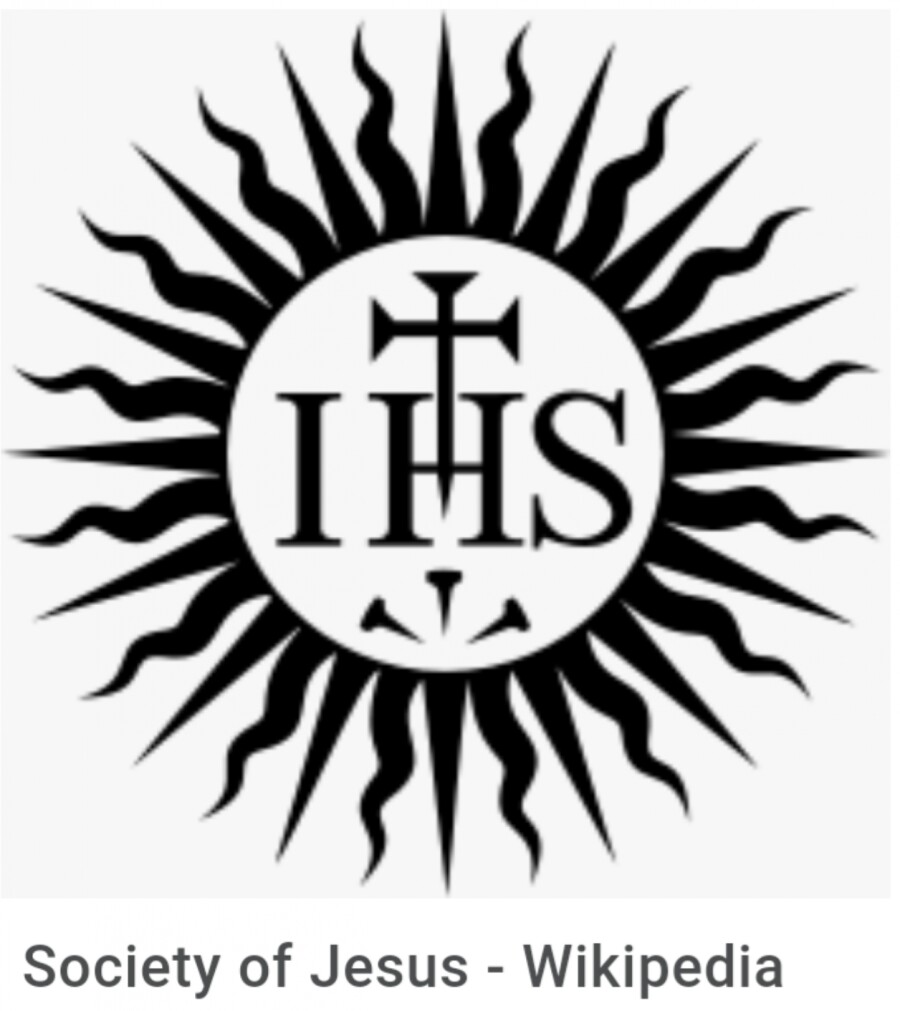

"오컬티스트들"이 가장 중요하게 여기는 트리플타우//검은태양심볼의 가운데 글자와 거의 똑같다!
X is the Greek letter “chi,” the initial letter in the word Χριστός.
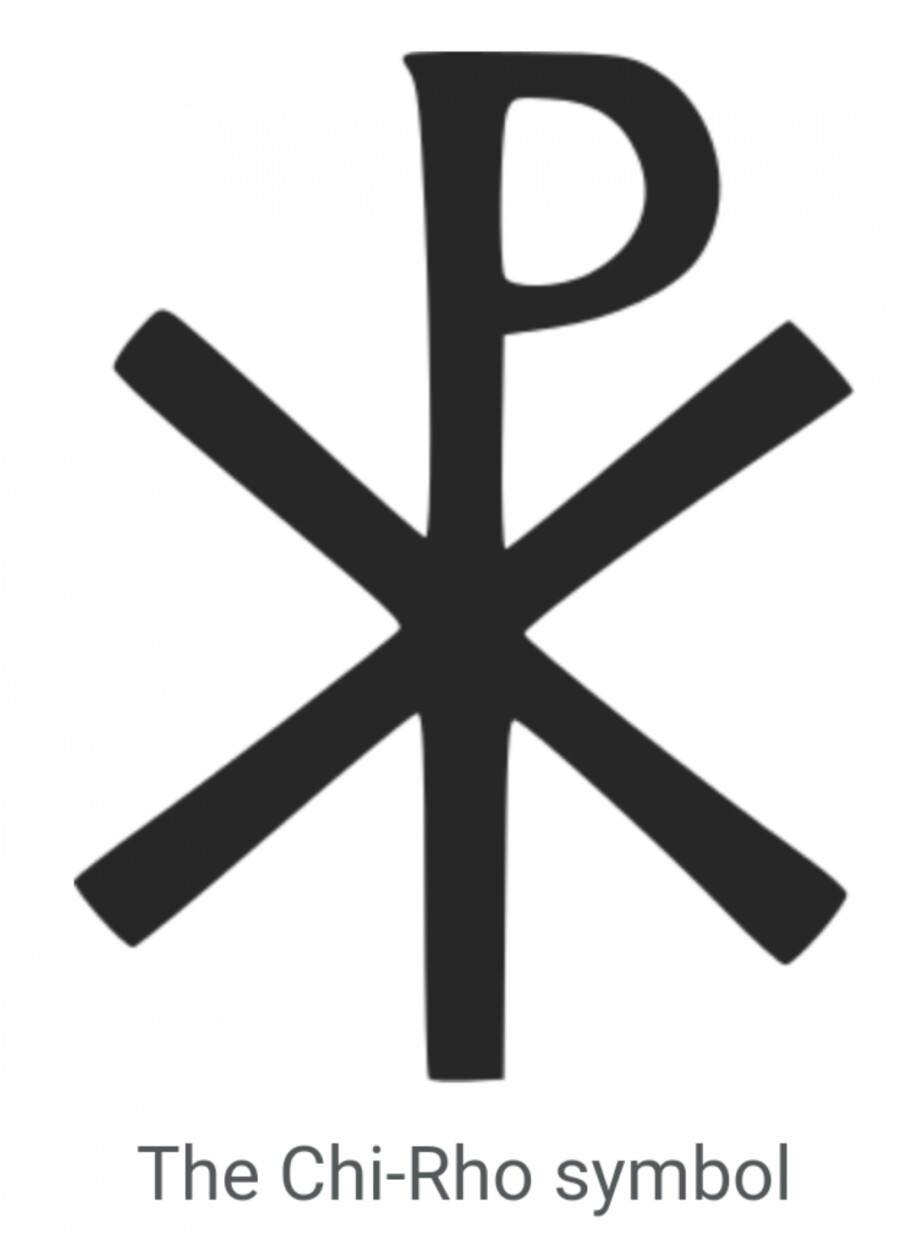
콘스탄틴이 영국에서 보았다는 "Christogram"심볼로서 이미 희랍인들은 이표시를 (Good fortune!)의 의미와 파이톤(serpent) 숭배자들을 의미하는 기호(sign)로 사용했었다. 이표시(카이로)는 시간이 흐르면서 단순 라틴 십자가 형태로 바뀐다.
And, here’s the kicker: Χριστός means “Christ.” X has been an acceptable representation of the word Christ for hundreds of years. This device is known as a Christogram.
In the same vein, the dignified terms Xpian and Xtian have been used in place of the word Christian.
*(크레스토스)와 (크리스토스/Christos)는 나중에 발음이 같게된다. (크레스토스/Chrestos)란 용어는 기원전5세기때도 이미 사용되던 용어였다. 특히 파이톤(뱀/신)을 숭상하던 템플에서 일하던 "신탁"과 연계된 용어였다. 게다가 (Chi-Rho)심볼의 기원은 "이집트"이다. 아래사진과 기사를 참고해보면 왜? "그리스도"란 용어가 부적당한지 알게 될것이다.
The Chi-Rho emblem can be viewed as the first Christian Cross.
As a pre-Christian symbol, the Chi-ro signified good fortune. 프톨레미왕은 이집트 지역을 다스리던 "왕"이었다. 그가 발행한 동전에도 "카이로심볼"이 나온다!
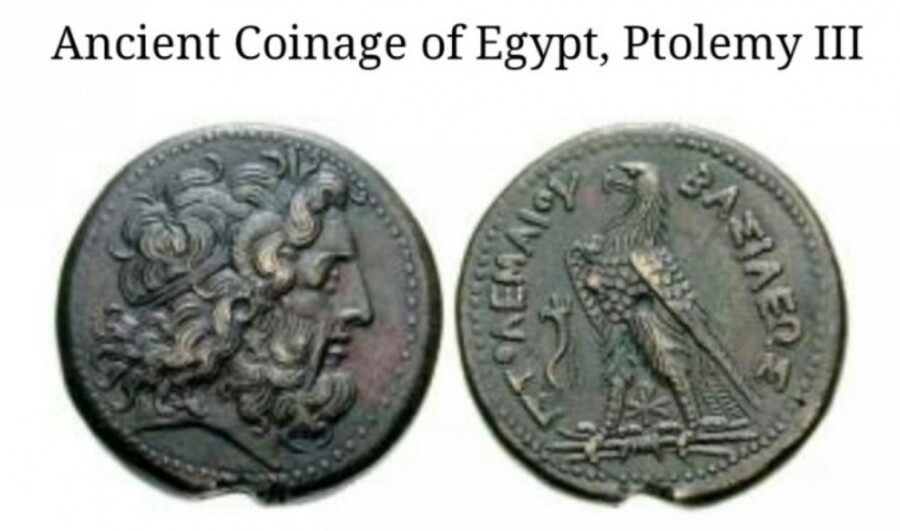
http://www.cooktownlife.com/cemetery/symbols.htm[removed from web]
Pre-Christian symbol? Let’s look at that briefly.
The word Chrestos existed ages before Christianity was heard of. It is found used, from the fifth century B.C., by Herodotus, by Aeschylus and other classical Greek writers, the meaning of it being applied to both things and persons.
Thus in Aeschylus (Cho. 901) we read of pythochresta the "oracles delivered by a Pythian God" (Greek-English Lexicon) through a pythoness; and Pythochrestos is the nominative singular of an adjective derived from chrao (Eurip. Ion, 1218). The later meanings coined freely from this primitive application, are numerous and varied. Pagan classics expressed more than one idea by the verb [chraomai] "consulting an oracle"; for it also means "fated," doomed by an oracle, in the sense of a sacrificial victim to its decree, or -- "to the WORD"; as chresterion is not only "the seat of an oracle" but also "an offering to, or for, the oracle.'' (18) Chrestes is one who expounds or explains oracles, "a prophet, a soothsayer;" (19) and chresterios is one who belongs to, or is in the service of, an oracle, a god, or a "Master" (20); this Canon Farrar's efforts notwithstanding.(21)
http://www.theosociety.org/pasadena/hpb-sio/sio-eso2.htm
Looking yet again, you find that the more ancient tombs have not merely the cross rounded at the top, but a mark exactly like an X with a P run up the centre of it. What does this mean? It soon explains itself. The Greek letter X (Ch) resembles our X, and is the first letter in the word Christ. The Greek letter P (R) resembles our P, and is the second letter in that name. The sign, therefore, of the X with the P run up its centre was precisely the same as if we for the name of Christ wrote the abbreviation Chr, placing the r between the c and the h. It was not properly a symbol of anything, but simply a contracted name—a monogram. Of this we have further confirmation in the fact, that even to this day we use the same sign as a contraction of the word Christ; for we write Xtian for Christian, and Xmas for Christmas.
(Arthur p. 195)
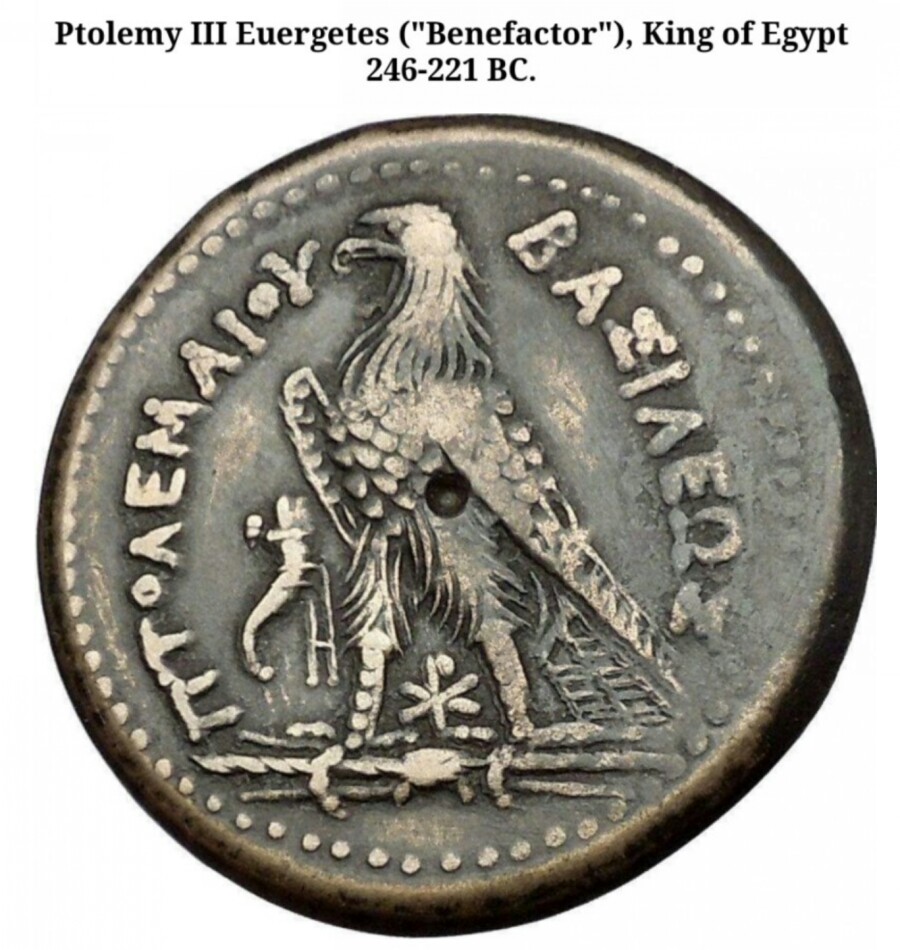
독수리 다리 사이에 있는 XP심볼에 유의
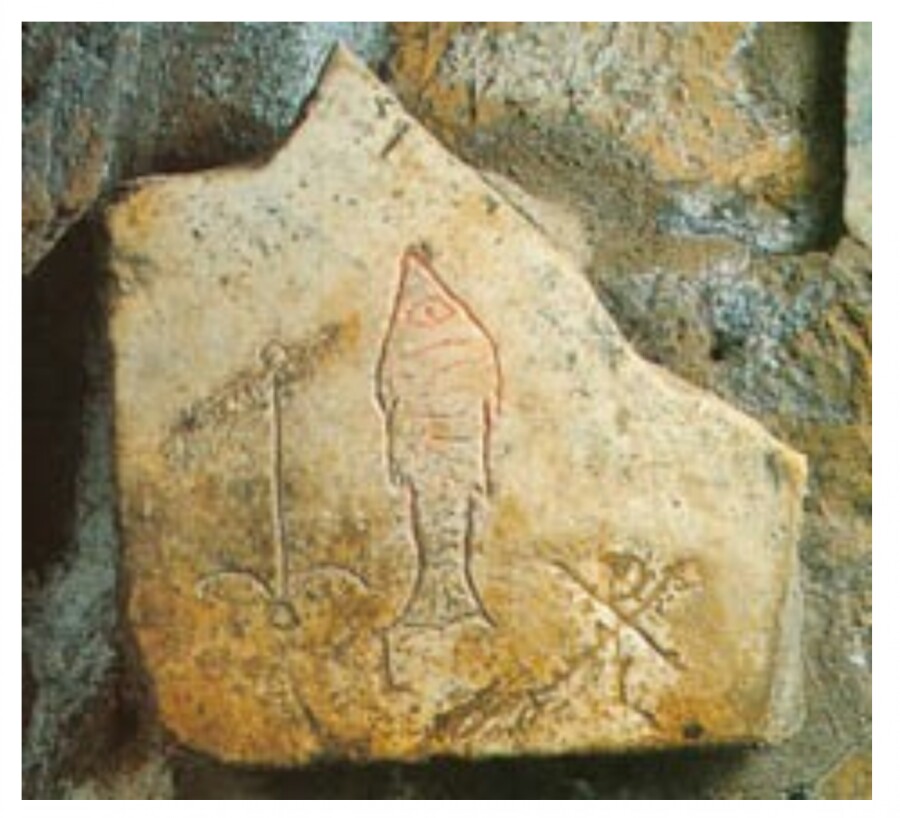
(XP)심볼은 "그리스도"를 상징하는 표시로 오랫동안 사용돼왔다.
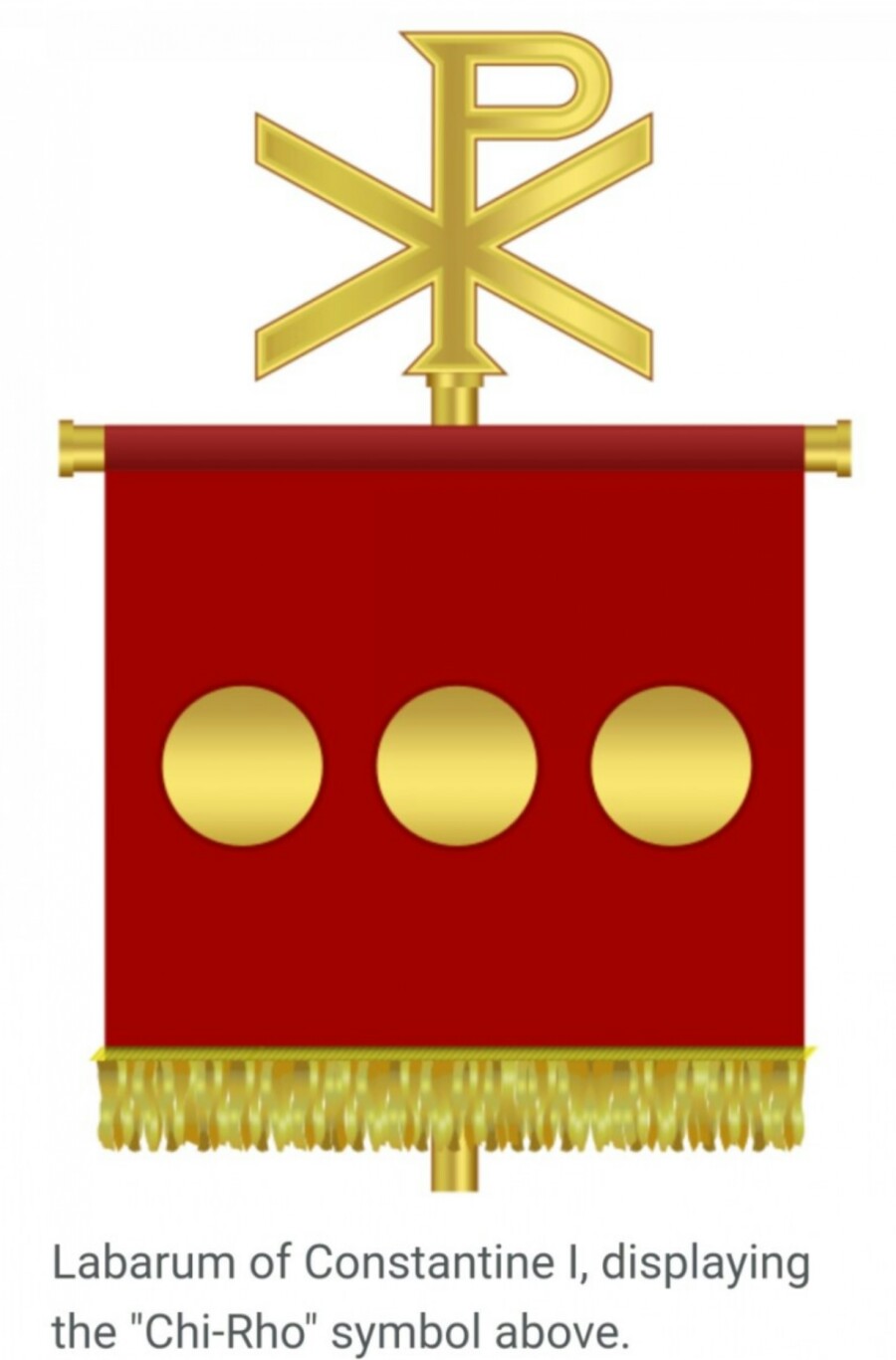
이것은 콘스탄틴 황제가 사용하던 군기다. (XP)기호는 "메시아"의 기호가 결코 아니다!
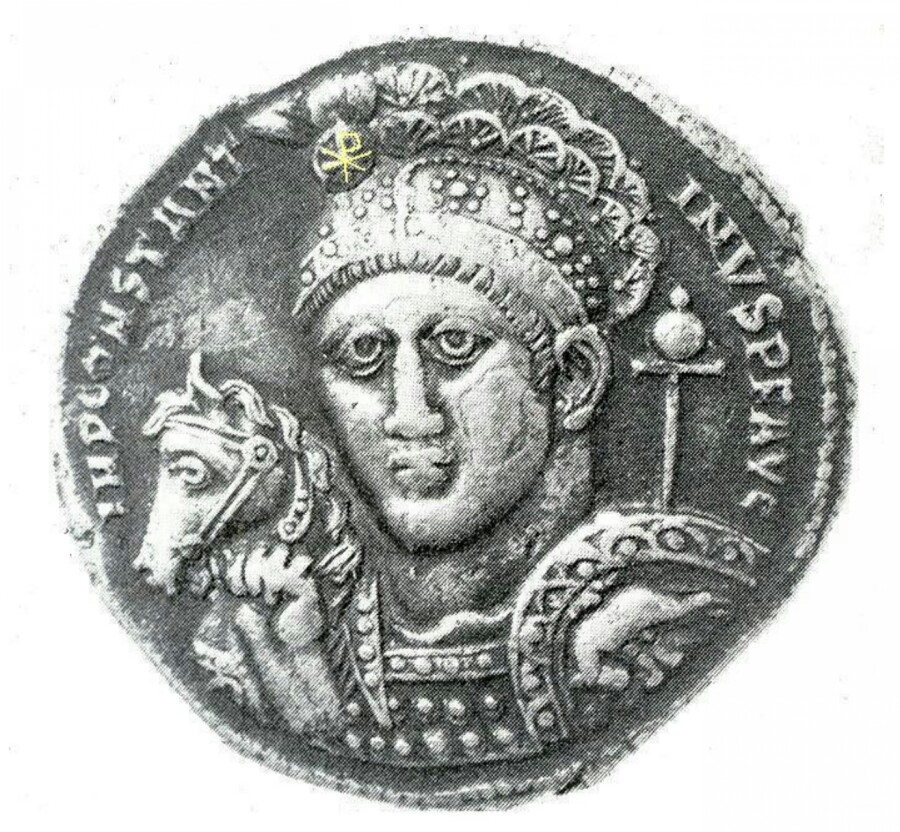
Constantine: Silver Medalion 316 CE: "카이로"심볼이 선명함
The first instance of a chi-rho on a coin of Constantine is on a rare silver medallion issued from Ticinum in 315. Eusebius even stated that Constantine “was in the habit of wearing on his helmet [the chi-rho] at a later period." (Vita Constantini)
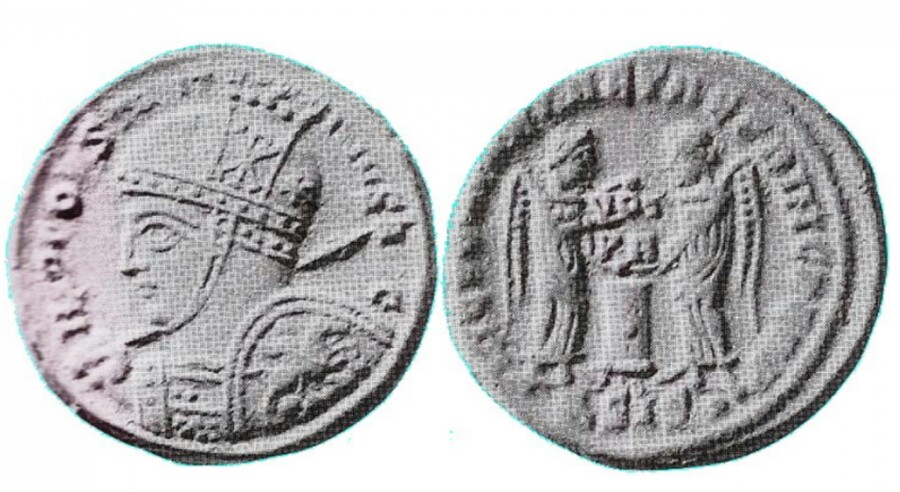
Constantine: Rare Siscia Coin 317 CE (?):
Constantine was always depicted wearing a helmet on all the VLPP coins (except for a very rare issue from Arles).
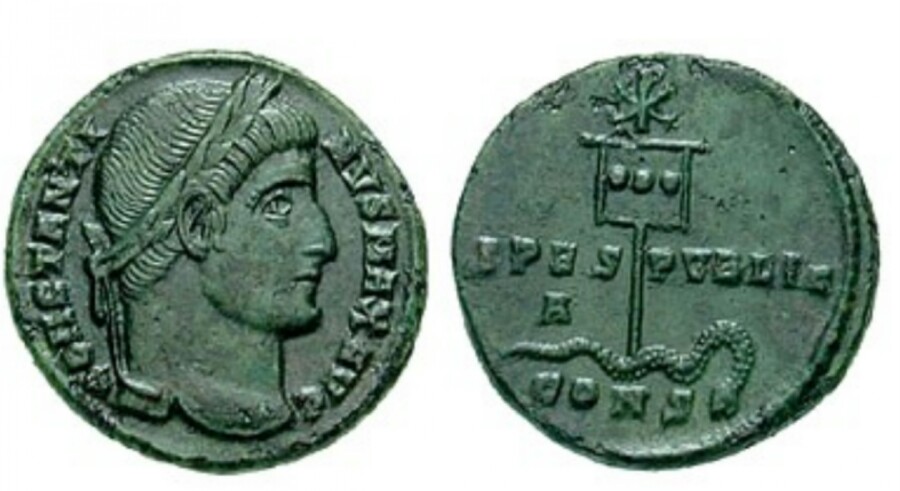
Constantine: Commemorative Coin 327 CE:
Civil War II commemorative coinage 327 CE CONSTANTINVS MAX AVG, laureate head right SPES PVBLIC, chi-rho atop standard of 3 medallions impaling snake A to left, CONSA in ex. Constantinople RIC 19 r4
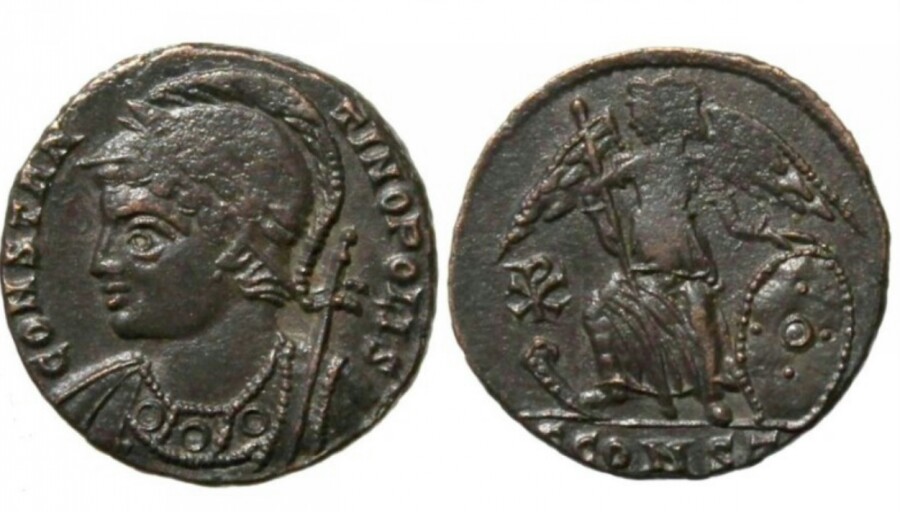
Constantine: Bronze Coin 336 CE:
16mm 2.3gm Obv. CONSTAN-TINOPOLIS laureate, helmeted, wearing imperial mantle, holding scepter. Rev. Victory stg. on prow, holding long scepter in r. hand, and resting l. hand on shield. Chi-Rho in left field, in ex. SCONST RIC VII Arles 401
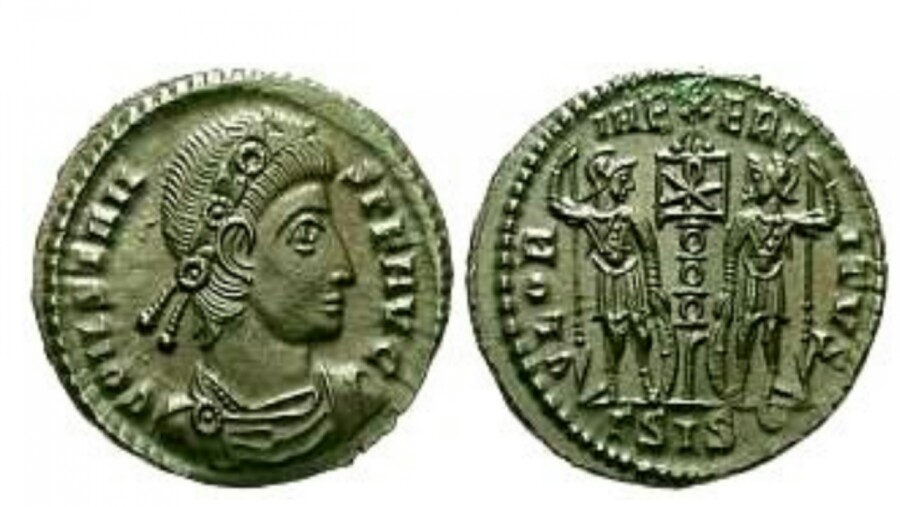
Constans: Siscia mint, 337-340 CE:
A1076a. Bronze AE3/4, RIC 87, gem about uncirculated, bold, sharp, outstanding, 1.70g, 17.4mm, 180°, Siscia mint, 337-340 A.D.; obverse CONSTANS P F AVG, laureate, draped and cuirassed bust right; reverse GLORIA EXERCITVS, two soldiers flanking labarum (chi-rho standard), GSIS ex; scarce
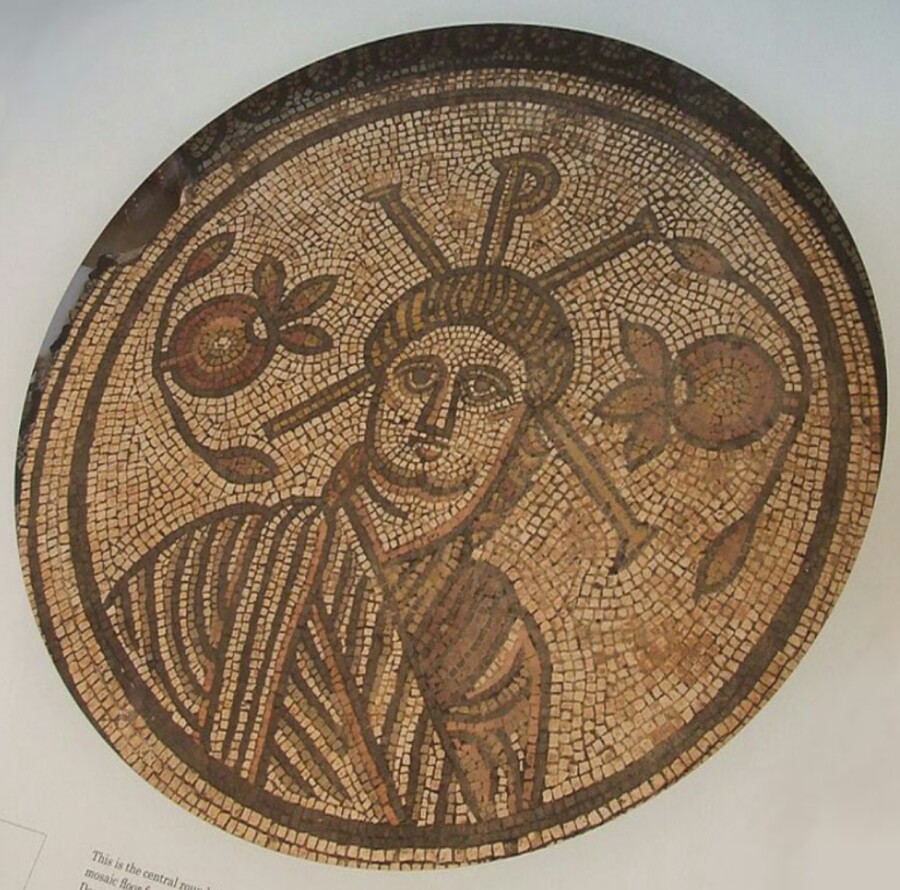
Constantine: Early 4th century mosaic:
The Hinton St Mary Mosaic is a large, almost complete Roman mosaic discovered at Hinton St Mary in the English county of Dorset. It appears to feature a portrait bust of Constantine as its central motif. The mosaic covered two rooms, joined by a small decorated threshold. It is largely red, yellow and cream in colouring. On stylistic grounds it has been dated to the 4th century and is attributed to the workshop of the Durnovarian school of mosaic art.
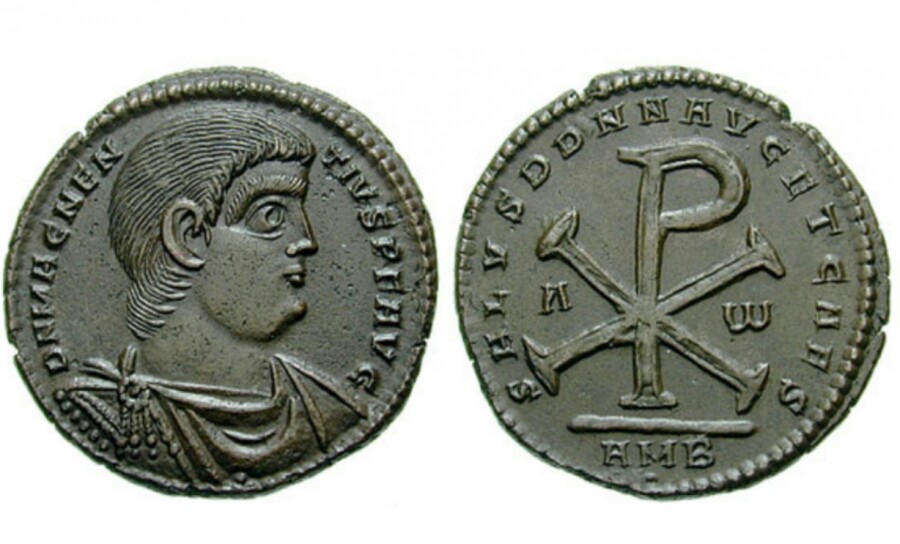
Magnentius - usurper of the Roman Empire from 350 to 353:
Double Centenionalis Magnentius; XR, s4017
“The sacred monogram Chi-Rho, so called because composed of the Greek letters chi (C ) and rho (R), is of Egyptian origin. According to Sir Flinders Petrie, the Egyptologist, the monogram Chi-Rho was the emblem of the Egyptian god, Horus, thousands of years before Christs.” [http://www.africawithin.com/jgjackson/jgjackson_pagan_origins_of_the_christ_myth4.htm
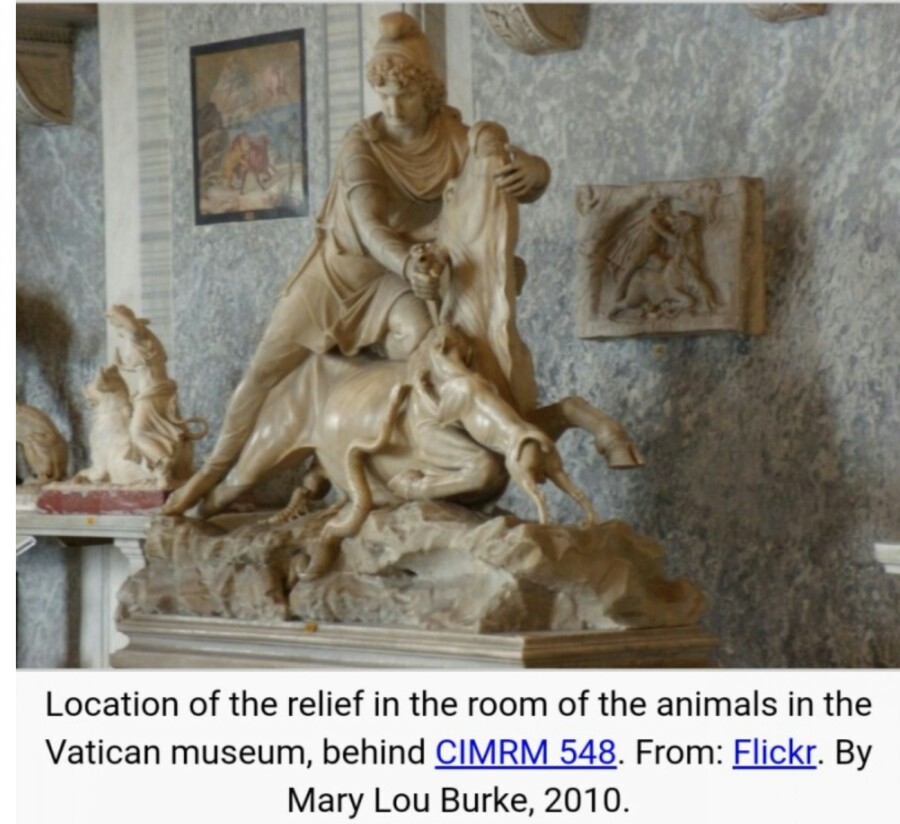
"chrestos"단어가 선명하다.
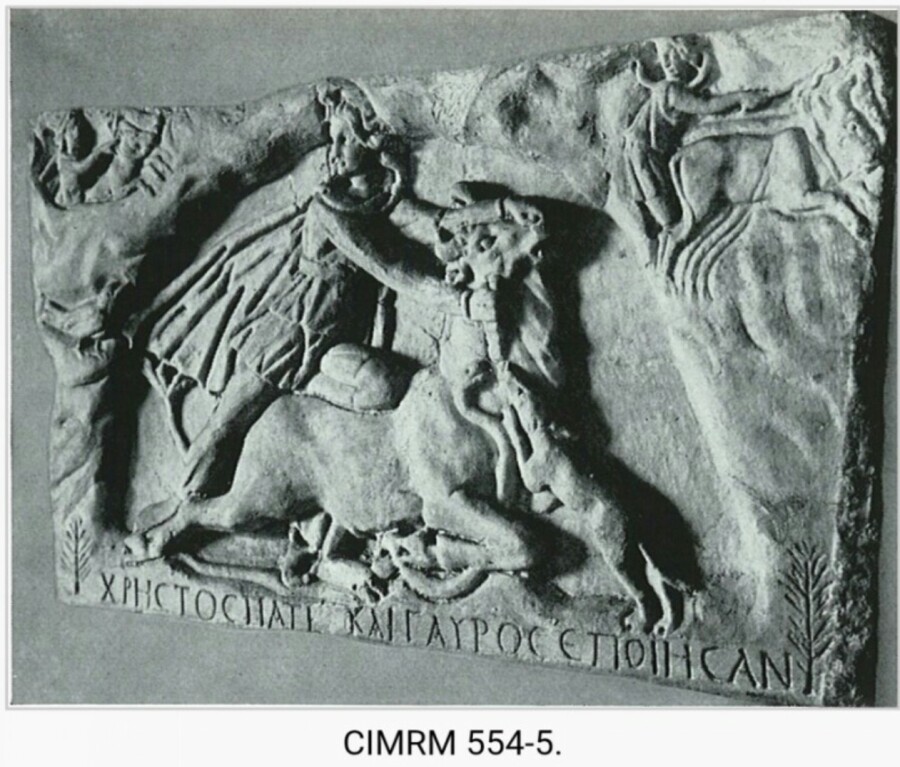
※See full article [http://en.wikipedia.org/wiki/Asclepius]
ㅡㅡㅡㅡㅡㅡㅡㅡㅡㅡㅡㅡㅡㅡㅡㅡㅡㅡㅡㅡㅡㅡㅡㅡㅡㅡㅡㅡㅡㅡㅡㅡㅡㅡㅡㅡㅡㅡㅡㅡㅡㅡ
히브리발음 (Yahushua)를 희랍어70인역은 (Iesous)라고 "번역"했다. 이름과 지명등 고유명사는 "음역"해야한다. 번역의 대상이 아니다. 그러면 왜? 70인역은 (Yahushua)경우만 특이하게 "번역"을 한것일까? <증거사진첨부>
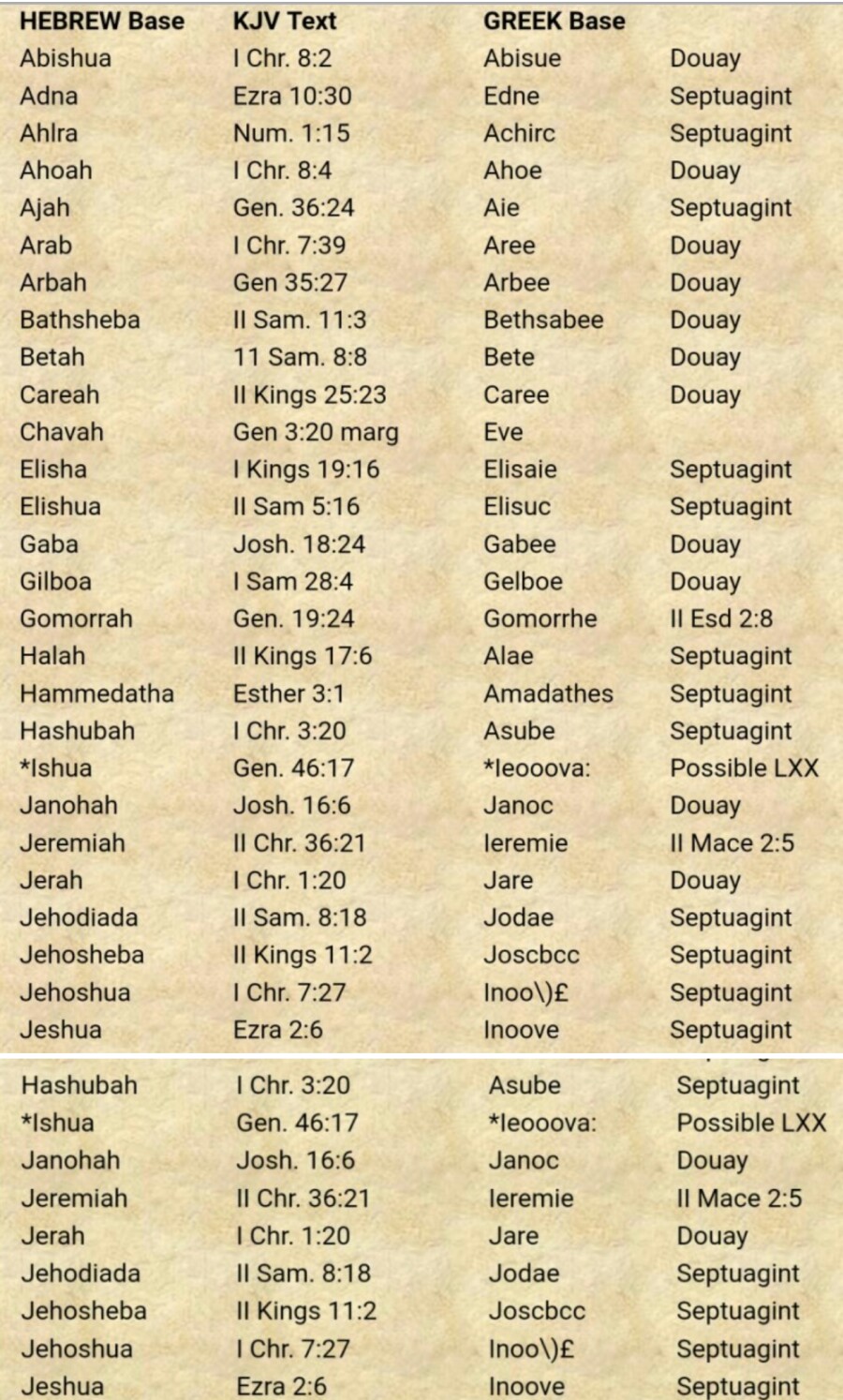
히브리어(아)발음이 모조리 희랍어(에)발음으로 끝남에 유의
히브리어(아)발음이 모조리 희랍어(에)발음으로 끝남에 유의
※(Jehoshua)와 (Jeshua)를 그리스어로 어떻게 "음역"했는지를 보면 깜짝 놀랄것이다. 이것은 "음역"이 아니라 "번역"이다.
히브리어에있는 어떤발음이 그리스어엔 없기 때문에 일어나는 현상이다. 어떤 발음이 그리스어에 없을까? 아래와 같다.
※그리스어는 "Y" 음가가 없고 단어의 중간에 "H"소리/W소리/sh/소리가 없다. 라틴어도 (W)소리와 (SH)소리가 없다. 따라서 많은 초기 제자들은 <메시아>의 이름은 오로지 <히브리어>로만 올바로 "발음" 할 수 있다고 주장했다. 이말은 어느정도 "타당"하다고 여겨진다.
ㅡㅡㅡㅡㅡㅡㅡㅡㅡㅡㅡㅡㅡㅡㅡㅡㅡㅡㅡㅡㅡㅡㅡㅡㅡㅡㅡㅡㅡㅡㅡㅡㅡㅡㅡㅡㅡㅡㅡㅡㅡㅡ
※"JESUS/지저스"용어의 유래
(Merriam-Webster)사전은 "Jesus"란 용어가 희랍어 (Iesous)에서 "파생"된게 아니라, 초기 라틴어 (Iesu)에서 나왔다고 말한다. (Iesu)의경우 (i)는 (y) 발음이 나므로 사실상 (Yay-soo/예이수)라고 "발음"된다. 후기 (라틴어시대)로 들어가면서 "Iesou"(Yaysoo)가 "Jesu" (Jaysoo/제이수)로 변하게 된다. 여기의 "Jesu"가 오늘날의 ("Jesus/지저스")로 둔갑한다.
ㅡㅡㅡㅡㅡㅡㅡㅡㅡㅡㅡㅡㅡㅡㅡㅡㅡㅡㅡㅡㅡㅡㅡㅡㅡㅡㅡㅡㅡㅡㅡㅡㅡㅡㅡㅡㅡㅡㅡㅡㅡㅡ
※예수(Jesus)가 이교"신"의 이름일까? 사실 이질문은 올바른 질문이 아니다. (Jesus)가 이교"신"의 이름이냐? 아니냐?가 중요한게 아니다!
※올바른 질문은 천사(가브리엘)이 "메시아"의 이름으로 "지정"해준 이름이 무엇이냐? 이다. 가브리엘이 알려준 "메시아"의 이름은 하나님으로 부터온것이므로 매우 중요하다. 만일 이름이 중요하지 않았다면 메시아의 이름을 지어주도록 천사 가브리엘을 보낼 필요가 없었을 것이다.
과연 우린 왜? 이런 "질문"을 해야할까? 아무 이름이나 사용하면서 그이름이 "메시아"의 (이름)이라고 생각하면서 사용하면 안될까? 논리적으로 "아무"이름이나 "지어줘"도 된다면 궂이 가브리엘이 "이름지정"을 해 줄 "필요"가 있었을까? 그냥 "미리암"과 "요셉"이 알아서 짓도록 해도 돼지 않았을까?
※만일 이런 질문들에 대해 올바른 대답을 모른다면 구약성경의 <예언적> "성격"인 (메시아)관련 (구절들)을 다시 읽어봐야 할것이다. 여기서 <예언적성격>이란? 반드시 미래에 <"성취"돼야>한다는 "뜻"이다. 특히 스가랴6:9~12절이 "중요"하다. 먼저 70인역에 기초한 브랜튼 역으로 살핀다.
9 And the word of the Lord came to me, saying,
10 Take the things of the captivity from + the chief men, and from the useful men of it, and from them that have understood it; and you shall enter in that day into the house of Josias the son of Sophonias that came out of Babylon.
11 And you shall take silver and gold, and make crowns, and you shall put them upon the head of Jesus the son of Josedec the high priest;
브랜튼역에 나오지 말아야할 "Jesus"가 나왔다! 이것은 브랜튼역을 바티칸에서 "왜곡"시켰단 뜻이 된다. 바티칸이 얼마나 철저히 온인류를 속이려고 노력하는지 알게 하는 대목이다.
왜냐하면 야후사닥의 아들 대제사장의 이름은 "지저스/Jesus"가 아니라 "야후슈아/Yahushua"였기 때문이다!
12 and you shall say to him, Thus says the Lord Almighty; Behold the man whose name is The Branch; and he shall spring up from his stem, and build the house of the Lord.
※다른 번역판으로 (슥6:11절)을 살핀다.
1)Zacarías:6:11(카도쉬역)
[11절] Toma oro y plata; haz coronas; pon una en la cabeza de Yehoshúa el hijo de Yehotzadak el kohen hagadol; °
※"여호수아"는 원래 "야후슈아"로 발음됐었다! 대제사장 이름의 앞부분 "Yahu"가 "Yeho"로 바뀐 이유가 있다! 마소렛학자들이 엘로힘(하나님)의 "이름"을 숨기기 위해서 구약의 모든 "야후"로 발음된 이름을 "여호"로 바꾸었다! 독자가 알아야할 사실은 엘로힘(하나님)의 이름을 이스라엘인들의 이름에 실제로 사용하던 관습이 있었다는 사실이다. 다음성구를 참조해 보시라!
2)민수기:6:27
[27절] "De este modo ellos pondrán Mi Nombre sobre los hijos de Yisra'el; para que Yo los bendiga."
따라서 아래 등장하는 질문들은 모두 "촛점"이 잘못 맞춰진 것들이다.
a)희랍어 70인역에 나온( Iesous)를 올바로 라틴어로 뭐라고"음역"하여야 할까?
b)(Yeshua)를 그리스어로 뭐라 "음역"해야 할까?
c)라틴어(Jesu)를 뭐라 영어로 "음역"할까?
ㅡㅡㅡㅡㅡㅡㅡㅡㅡㅡㅡㅡㅡㅡㅡㅡㅡㅡㅡㅡㅡㅡㅡㅡㅡㅡㅡㅡㅡㅡㅡㅡㅡㅡㅡㅡㅡㅡㅡㅡㅡㅡ
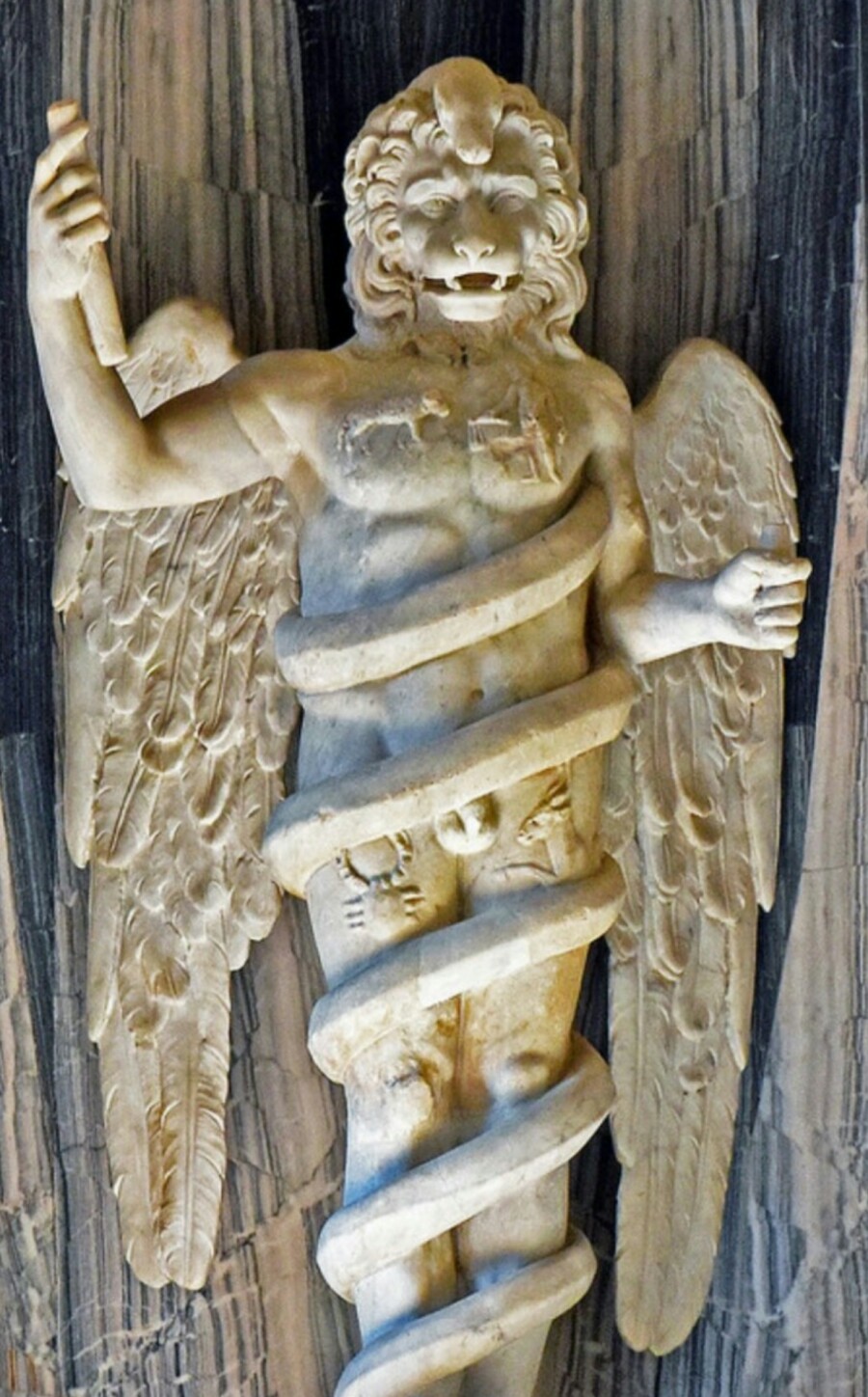
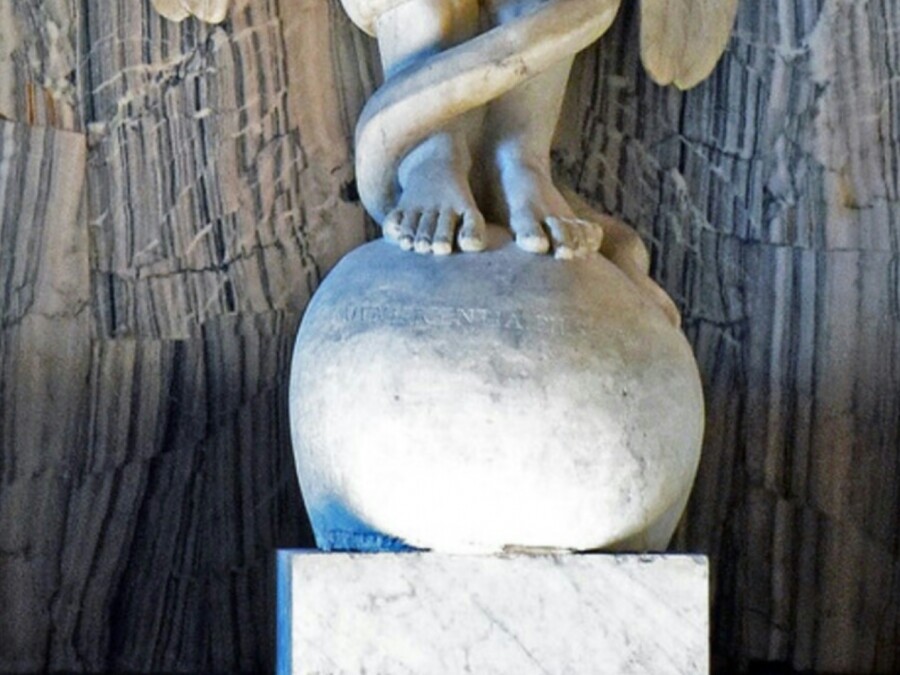
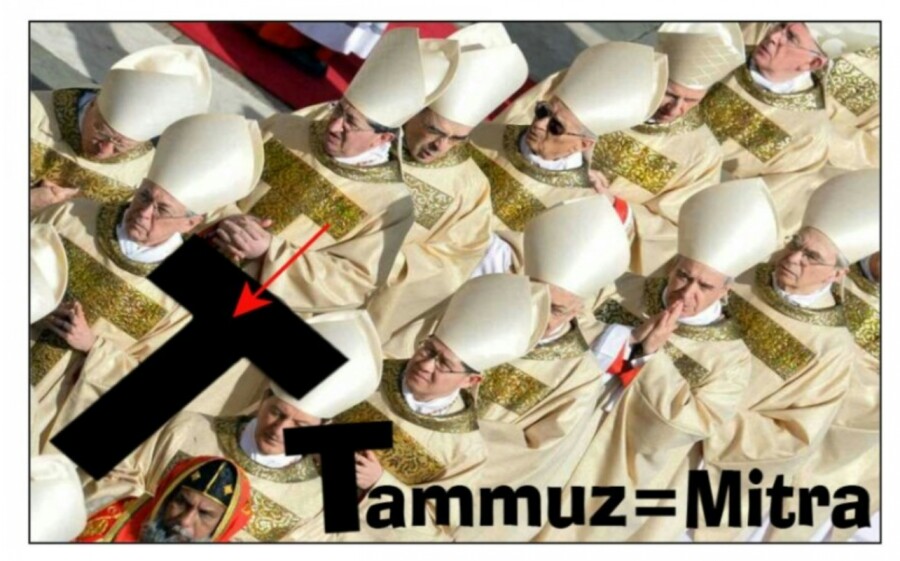
지구를 밟고 있는 사탄을 상징하는 미트라신(담무스)
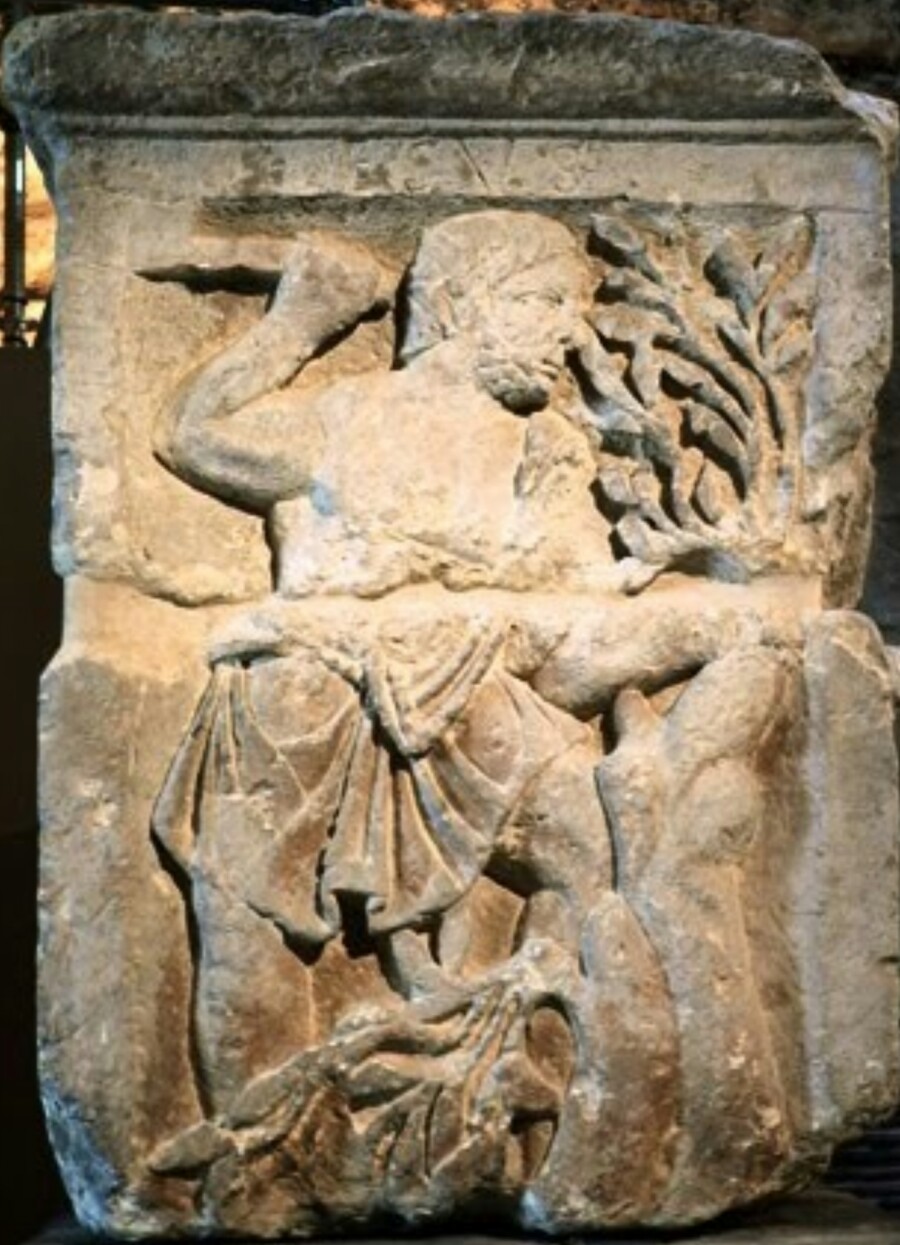
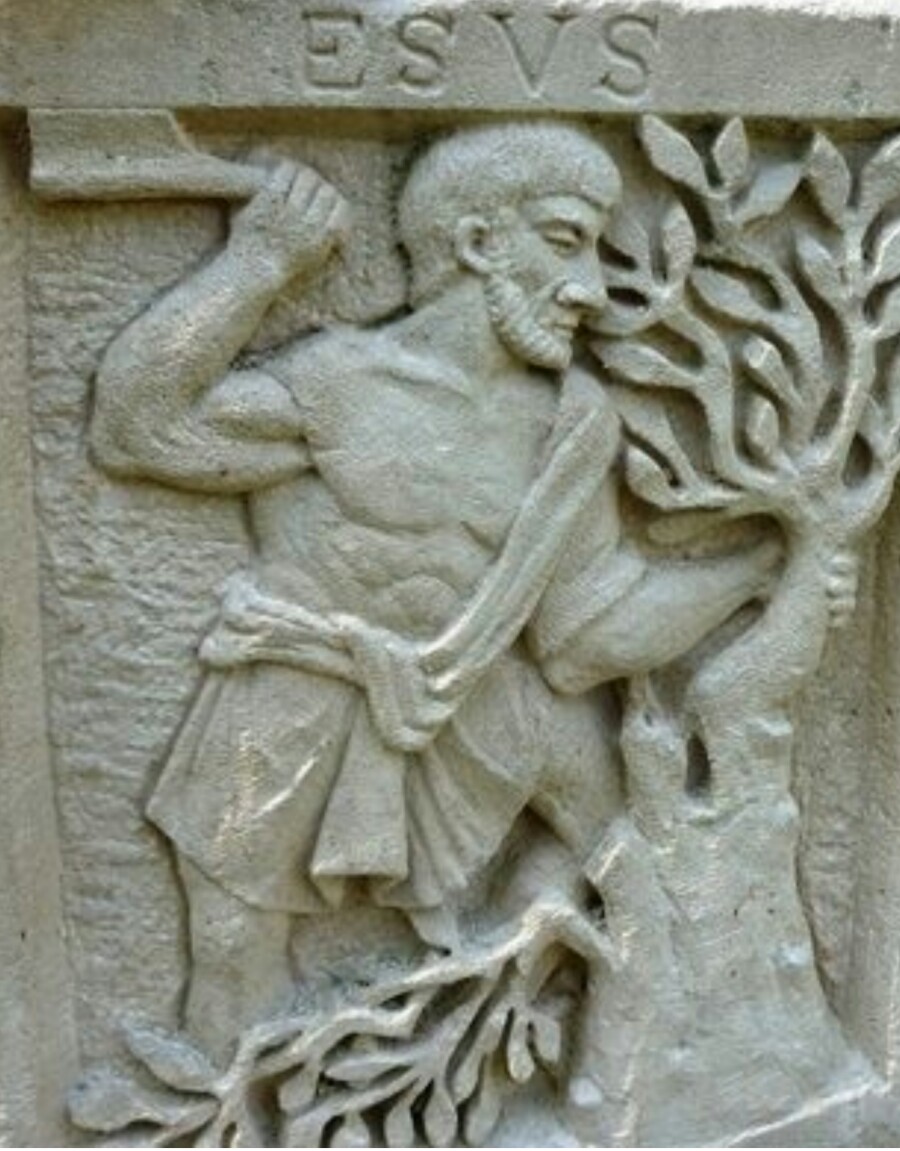
*올바른 질문은 뭘까? 가브리엘이 미리암과 요셉에게 알려준 <메시아>의 이름이 과연 무엇이냐? 이다.
*메시아의 이름과 관련해 (기초지식)이 몇가지 있다.
1)하나님의 고유한 이름의 발음은 히브리어 발음이다. 출애굽기3:14
2)메시아의 이름 속에는 하나님의 이름이 들어 있어야 한다. 따라서 <메시아>의 이름도 <히브리식 발음> 이어야 한다.
(New American Standard Bible) Luke 19:38 saying, "BLESSED IS THE KING WHO COMES IN THE NAME OF THE LORD; Peace in heaven and glory in the highest!"
(Amplified Bible) Luke 19:38 Crying, Blessed (celebrated with praises) is the King Who comes in the name of the Lord! Peace in heaven [freedom there from all the distresses that are experienced as the result of sin] and glory (majesty and splendor) in the highest [heaven]!
(쉬운 성경) 누가복음 19:38 “주님의 이름으로 오시는 왕에게 복이 있다. 하늘에는 평화, 가장 높은 곳에는 영광.”
3)메시아의 이름 속에는"구원"이란 의미가 들어 있어야한다. (가브리엘이 요셉에게 설명한 내용 참조)
마태1:21
20 But after he decided to do that, {Look!} Jehovah’s messenger appeared to him in a dream, saying:
‘JoSeph, son of David; Don’t be afraid to take Mary as your woman, because what has been fathered in her is from [God’s] Holy Breath. 21 She will give birth to a son and you will call his name Jesus (Jehovah Saves), because he will save his people from their sins.’
마태1:21의 다른 번역판
21 And she shall bring forth a Son, and you shall call His
Name < Yahushua/יהושע >
for He shall save His people from their
sins.
눅1:31
31 Look! You will conceive in your belly and give birth to a son whom you are to name Jesus (heb. YehoShuah or Jehovah’s Salvation).
눅1:31 (타번역)
31 And, see, you shall conceive in your womb, and bring
forth a Son, and shall call His Name < Yahushua/יהושע >
4)메시아의 이름과 관련한 예언적 묘사와 일치해야 한다. 스가랴6:11~12 첨부한다.
11 Then take the silver and gold, and make a keter, and
set it on the head of Yahoshua the son of Yehotsadaq, the
Kohen HaGadol;
12 And speak to him, saying, This says YHWH tzevaoth,
saying, See the Man whose Name is the Tsemach-Branch;
and He shall grow up out of His place, and He shall
rebuild the Hekal of YHWH:
메시아에 관한 <예언적 묘사>에서 두드러진 이름이 두개가 나온다. 첫번째는 (Yahushua/야후슈아)이다. 이묘사는 스가랴6장에 자세히 나온다. 두번째는 "임마누엘"이다. 이예언은 이사야서7:14에 나온다.
Therefore the Lord himself will give you a sign. Behold, the young woman will conceive and bear a son, and will call his name Immanuel
메시아의 "칭호"와 관련해선 훨씬 다양하다. 이중 가장 중요한것이 마태2:23에 나온다. 그것은 이사야11:1,2절 그리고 예레미야23:5 그리고 스가랴6:9~13에 나온다. 이사야9:6절의 칭호는 매우 포괄적이고 실제로 《지상활동》기간에 그런 칭호로 불리워졌다는 기록이 없다.
그러나 이사야11:1의 예언은 실제로 사용됐던 "칭호"다. 왜냐하면 실제로 /나사렛/ 이라고 불리워졌기 때문이다. (마태2:23참조)
And he came and dwelt in a city called Natzereth: that
it might be fulfilled what was spoken by the navi(prophet/예언자)
He shall
be called a Natzereth.
마태2:23절의 타번역이다.
And having gone there, he lived in a city called Nazareth, so what was spoken through the prophets was fulfilled, that “he will be called a Nazarene.”
※ 독자가 보다시피 이곳엔 메시아의 이름이 나오지 않는다. 그러나 사도마태는 메시아의 식구가 나사렛 동네로 이사간것과 "연계"시켰다. 그러나 실제로 구약성경엔 나사렛과 연계된 메시아 출현 예언이 많이 나온다. 대표적으로 <새싹/가지/숨겨진것>과 같은 히브리어의 표현이다. 이들은 모두 "나사렛"과 "연계"돼있다.
따라서 히브리 발음으로 메시아의 이름이 <Yahushua/야후슈아> 였다면 그리고 그것이 가장 "근사치"의 발음으로 ("음역")된것이라면 (JESUS)를 사용하지말고 ("Yahushua")를 사용해야 한다.
만약에 가브리엘이 미리암과 요셉에게 <JESUS/지저스>라고 "작명"하라고 말했을 가능성이 있을까? 필자가 보기엔 0%이다! (지저스)란 발음과 이름은 가브리엘이 미리암에게 전달했을 가능성이 전혀없는 이름이다! 따라서 (JESUS)가 "이교신"의 이름이냐 아니냐? "저저스"라고 발음되는 (신/god)은 어느"신"이냐? 와 같은 질문들은 별 "실익"이 없다. 하지만 "파고드는" 독자를 위해 참조할만한 영문기사를 첨부한다.
ㅡㅡㅡㅡㅡㅡㅡㅡㅡㅡㅡㅡㅡㅡㅡㅡㅡㅡㅡㅡㅡㅡㅡㅡㅡㅡㅡㅡㅡㅡㅡㅡㅡㅡㅡㅡㅡㅡㅡㅡㅡㅡ
ESUS THE DRUID SUN SAVIOUR
Justin Taylor | Genesology
Esus The Druid Sun Saviour
Esus, also known as Hesus is the personal name of the Celtic-Druids sun savior, closely associated to Jupiter or Zeus. The Druids were the priestly tribe of the Celtic/ Gaul, the present day Germany, England, France, and some parts of the Scandinavian countries.
Hesus was born in 25th of December (834 BC) by the virgin mother Mayence, fathered by 'Gudt' the Sun deity. Hesus or Esus Crios was a healing savior, also known as the deity of vegetation, related to Baal, English "the Lord." He was regarded by the Romans as Mercury or Mithra. Esus was the third of the Celtic trinity. His element was the wind.
미트라 god
Some of the Druid's worship rituals:
1. The cross was one of the components of their worship. A tree in a cross shape with lops of branches. The round shape of the cross represents - the Sun deity or Gud.
2. The Druids main doctrine was reincarnation after death, and probable animal sacrifice to God.
3. The worship of nature and vegetation. Mistletoe and oak are regarded in high respect as gifts from heaven.
4. Lighting and holding of candles.
5. Sprinkling of sacred charged water.
6. Burning of incense.
7. Prayer for the dead.
8. Confirmation and final vows.
Hesus died on the cross; a lamb on one side, which symbolized his innocence, and elephant on the side, which signified the sins of the world he came to redeem. In Druidism worship, they would face the east towards the rising of the sun, and sing hymns and say prayers to the Sun and his son Lesa Crios or Esus.
The Druids/Gaul were the rising civilization, with well-organized tribal military, and a flourishing culture and literature. They also had a well-organized religion before the war with Roman Julius Caesar.
The worship of Esus was adopted into Roman religion after the Gallic-Roman war in 53 BCE by Julius Caesar, whereas, majority of the Gaulish and Druid priests were taken as slaves after their defeat, and transported to Rome. Druids were responsible of integrating the worship of Esus into the Roman religion. The Gaulish culture also was submerged with Roman culture, and Gauls eventually became Roman citizens.
Around 325 CE, during the reign of emperor Constantine, the worship of Esus was reinstated once again in Rome, which eventually played a major role in the Council of Nicea, because it was the name emperor Constantine enacted as the official savior deity of the Roman ecumenical faith; as Lesus Christos.
However, when "J" letter alphabet was introduced in the 17th century, it was then added to the name esus to masculine it to Jesus. Up until 1600 CE there was no J letter, either in Hebrew, Aramaic, Greek, Latin nor English. "J" is the last alphabet added to English. It is the comparatively late modification of the letter " i ".
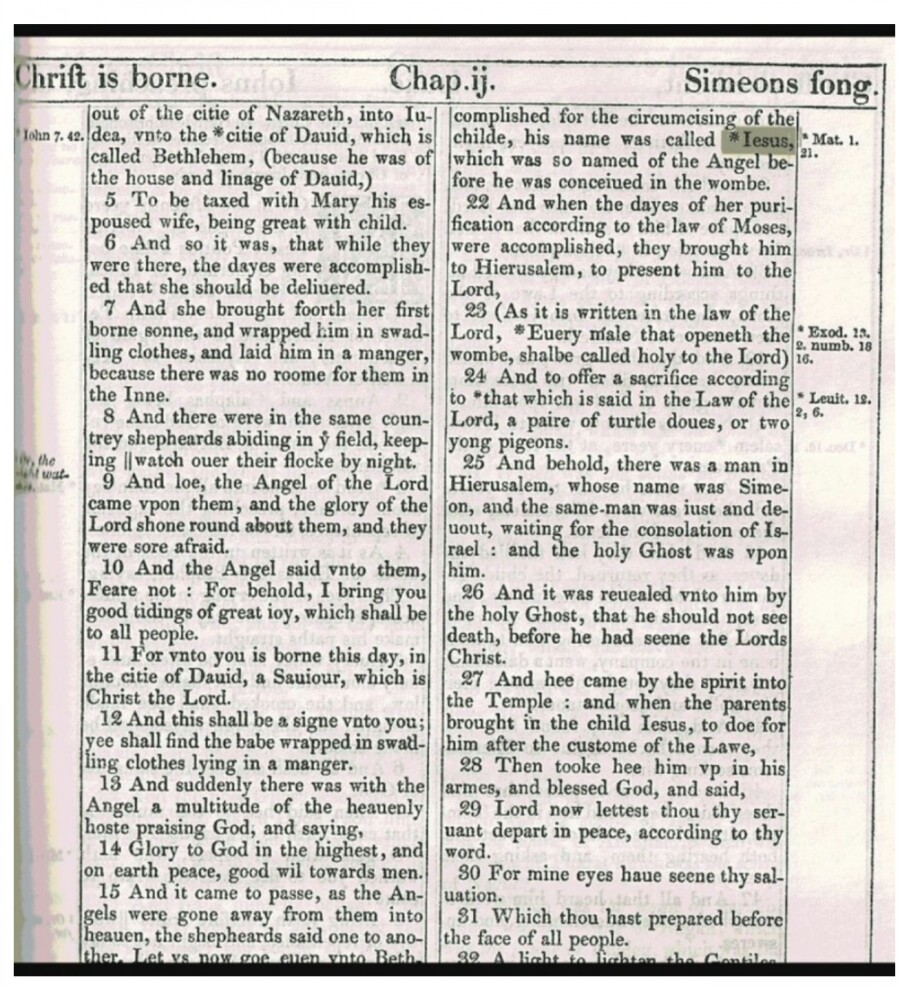
"Jesus" in the original 1611 KJV is "Iesous."
"Esu, one of the principle titles of Tammuz." Mythology of All Races Vol. 5 p. 131(번역: "ESU는 "담무스"의 주요 타이틀 중 하나다".)
"Hesus. Also called Esus. In Celtic religion, he was the supreme god." Dictionary of Pagan Religions (번역: "이에수스"라고 불리워지던 "헤수스/Hesus"신은 셀트족의 최고신이었다")
"The first Druids were the true children of the Magi, and their initiation came from Egypt and Chaldea; that is to say, from the pure sources of the primitive Kabalah. They adored the Trinity under the names Isis or Hesus, the Supreme Harmony; of Belen or Bel, which in Assyrian means Lord." Morals & Dogma p. 103
"The three letters S S S (in Greek ) were the symbol of Isis, which is thus connected with 666." Number in Scripture p. 49 by E.W. Bullinger


Comentarios
Publicar un comentario